Chinese New Year

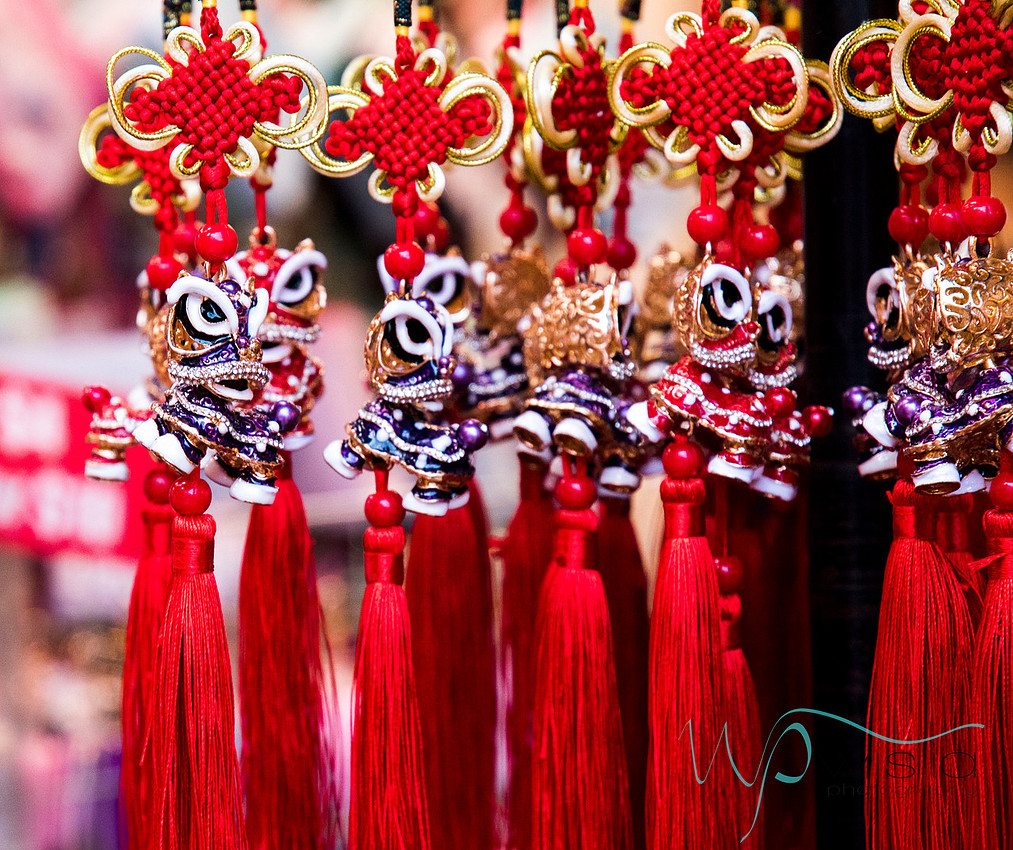
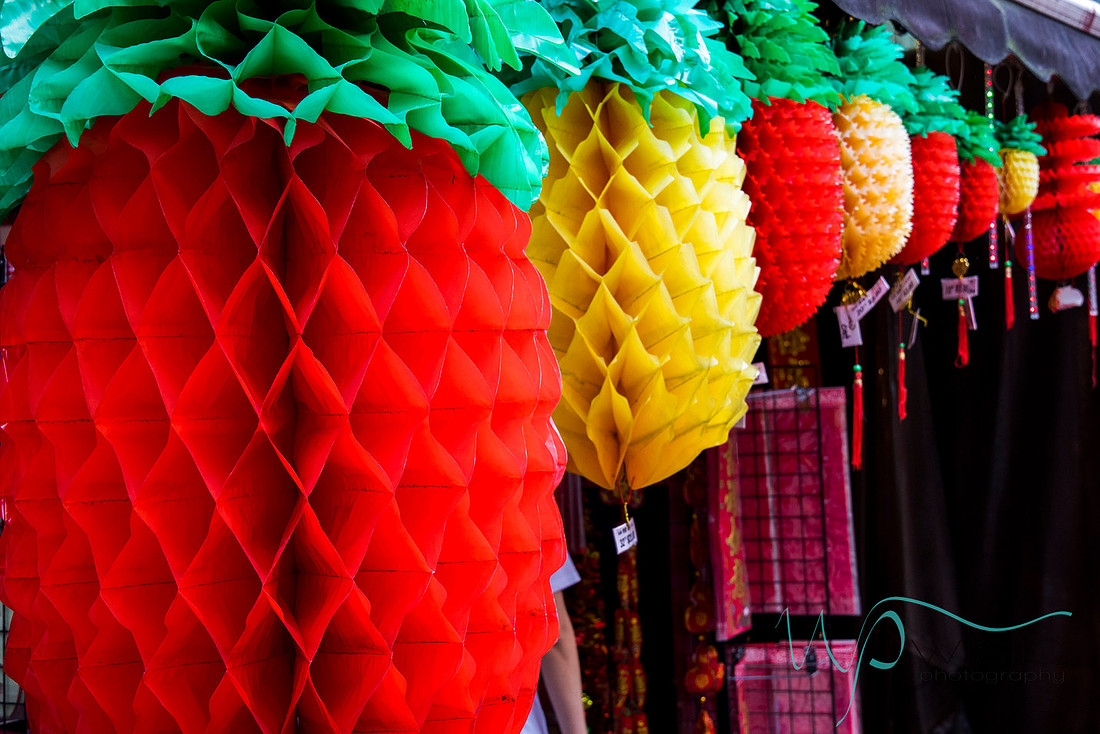
Chinese New Year is one of the most significant holiday seasons in Singapore. Marking the first day of the year on the Chinese lunar calendar, the date fluctuates from year to year. The celebrations can last for two to three days, and they are colourful and abundant.
Chinese New Year is observed by Chinese communities scattered all over the world and has a history going back thousands of years. Legend has it that Emperor Huang Ti introduced the holiday in 2637 B.C., but no one knows for sure when it began. What is know is that Chinese New Year is an integral part of Chinese culture and that the dates of all subsequent annual feasts are based upon it.
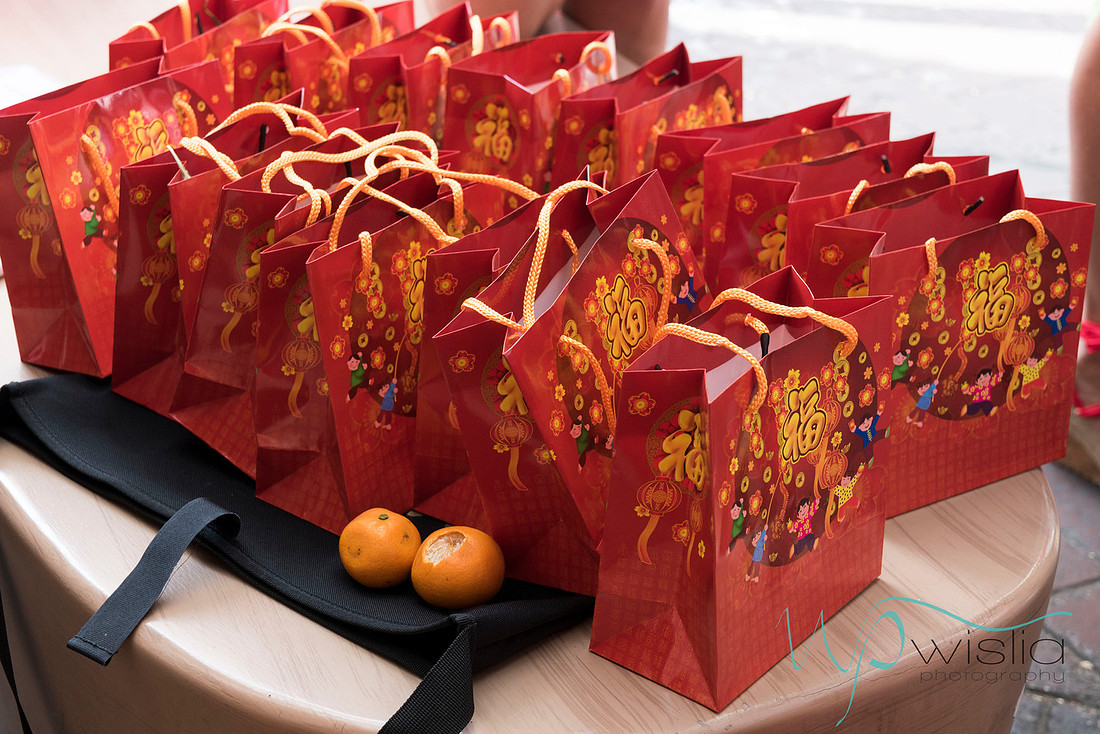
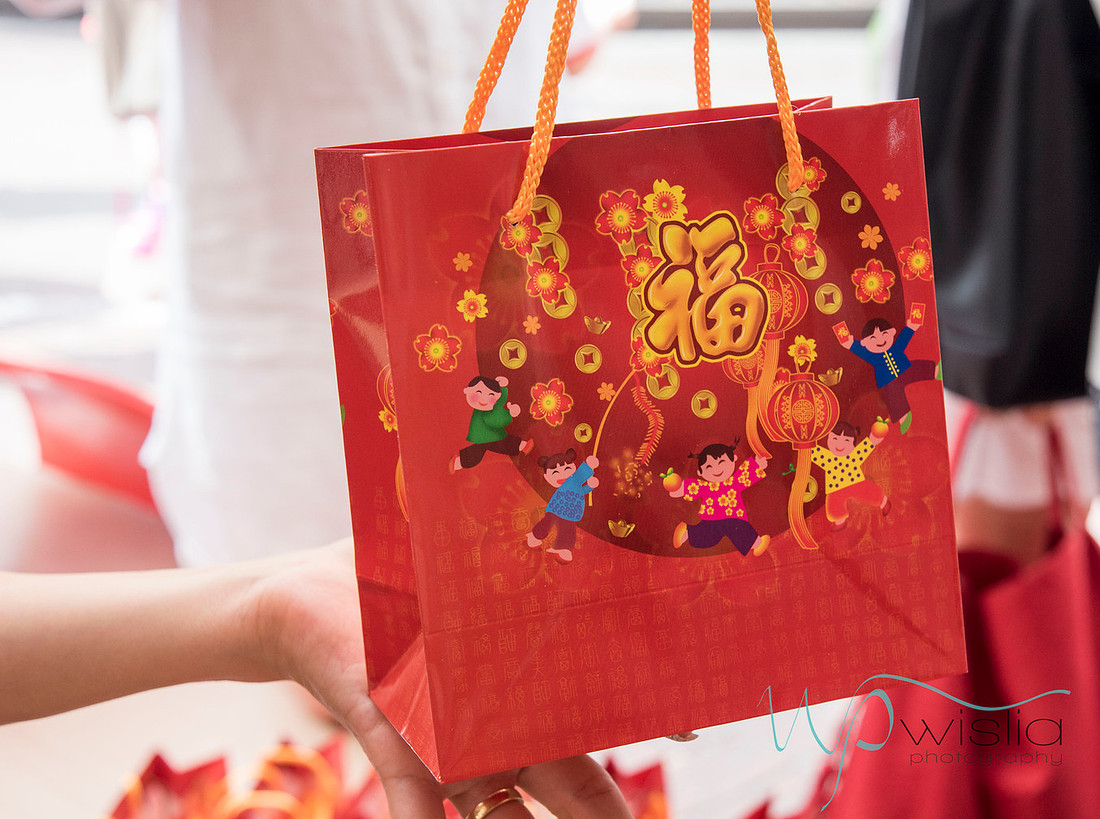
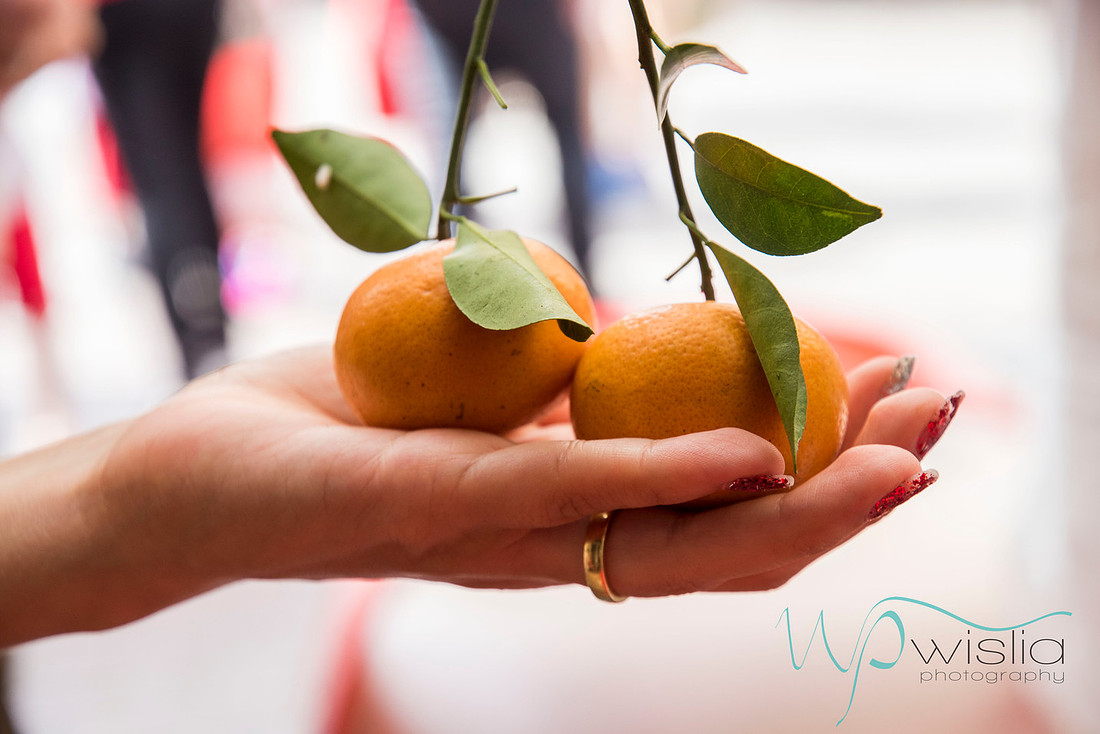
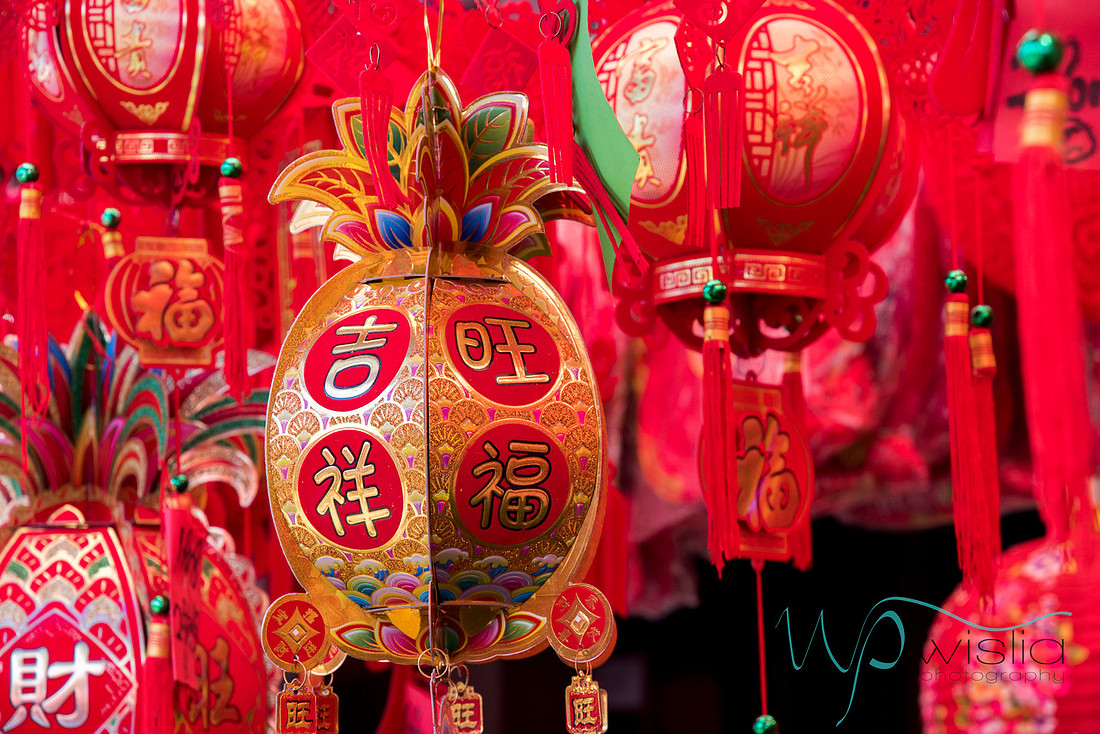
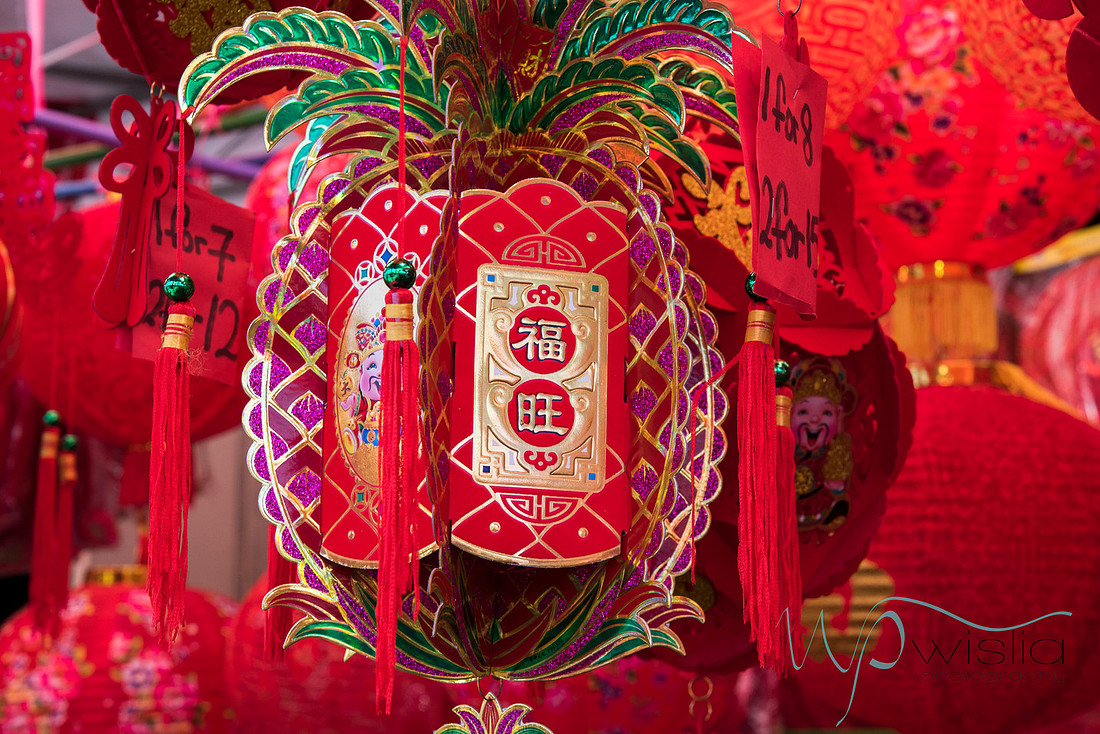
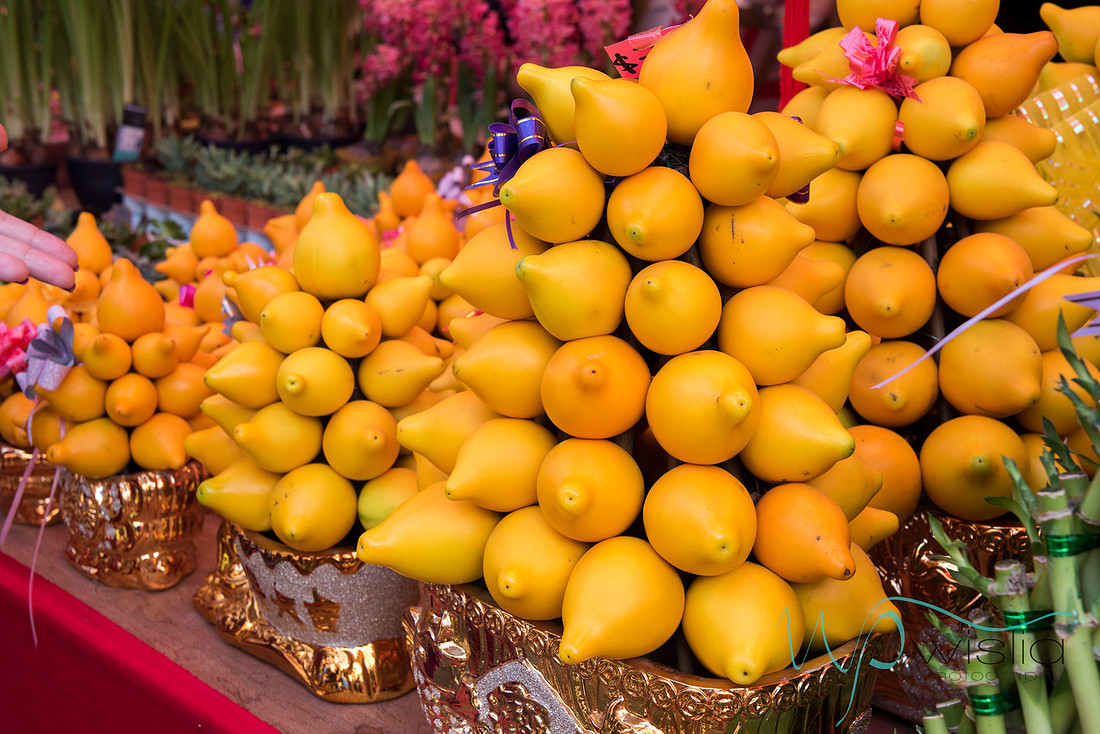
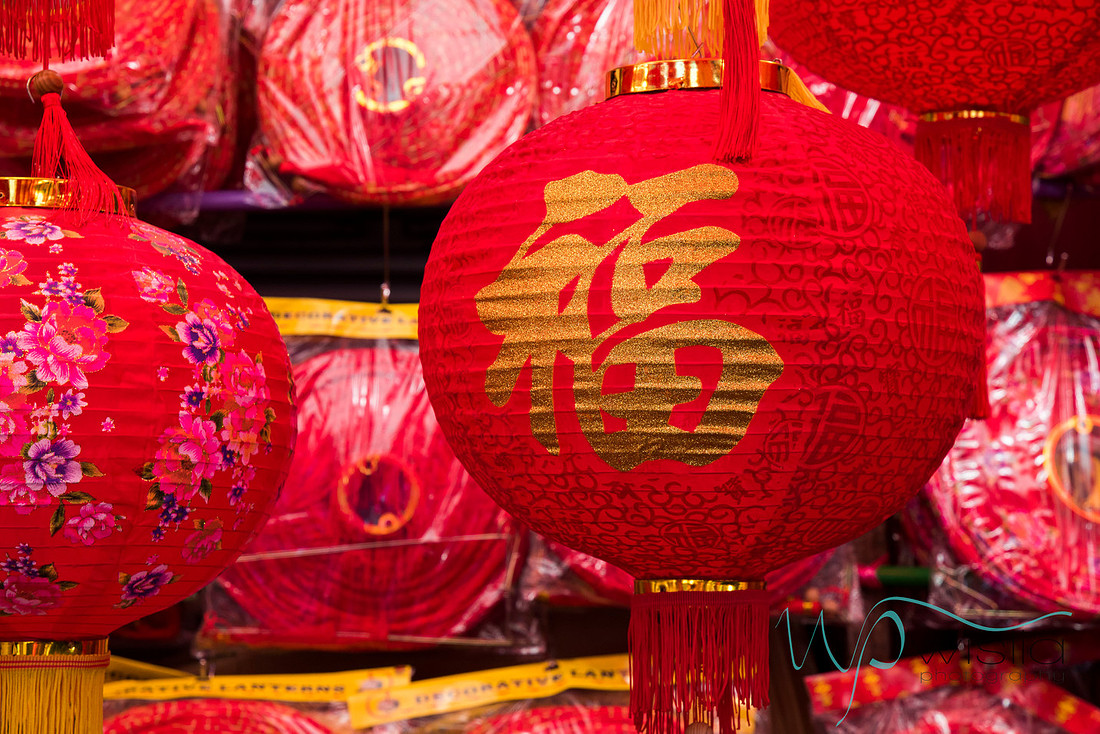
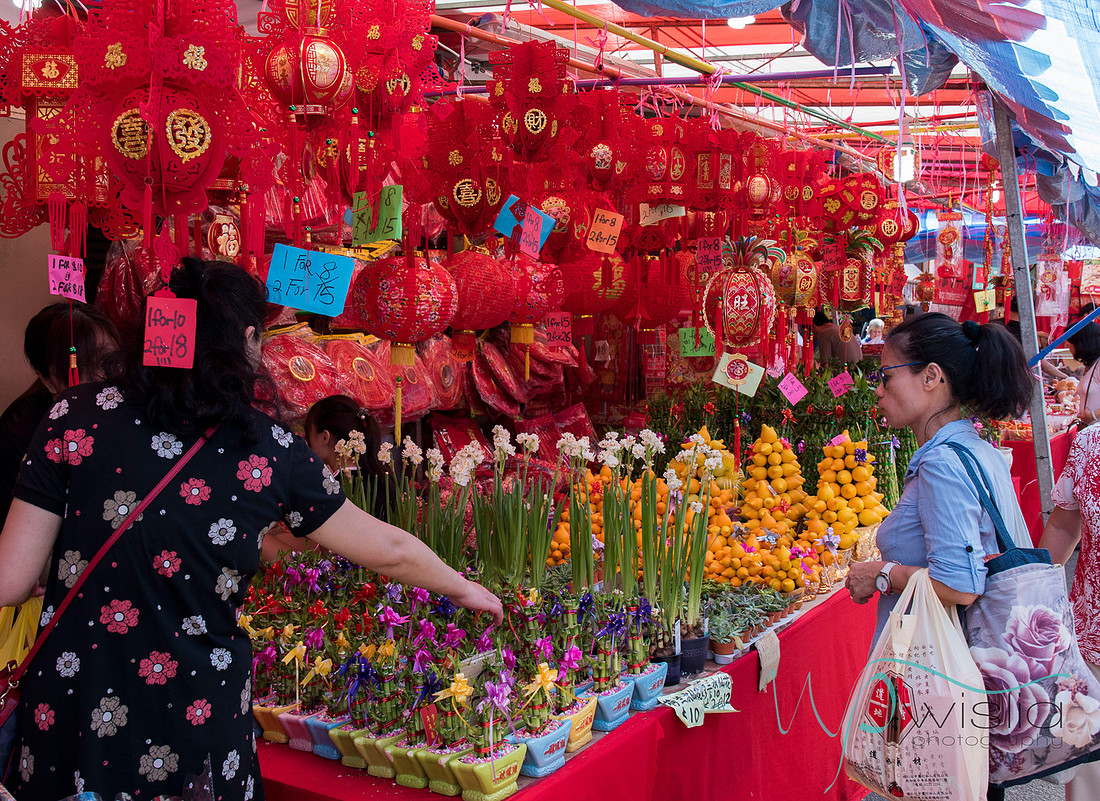
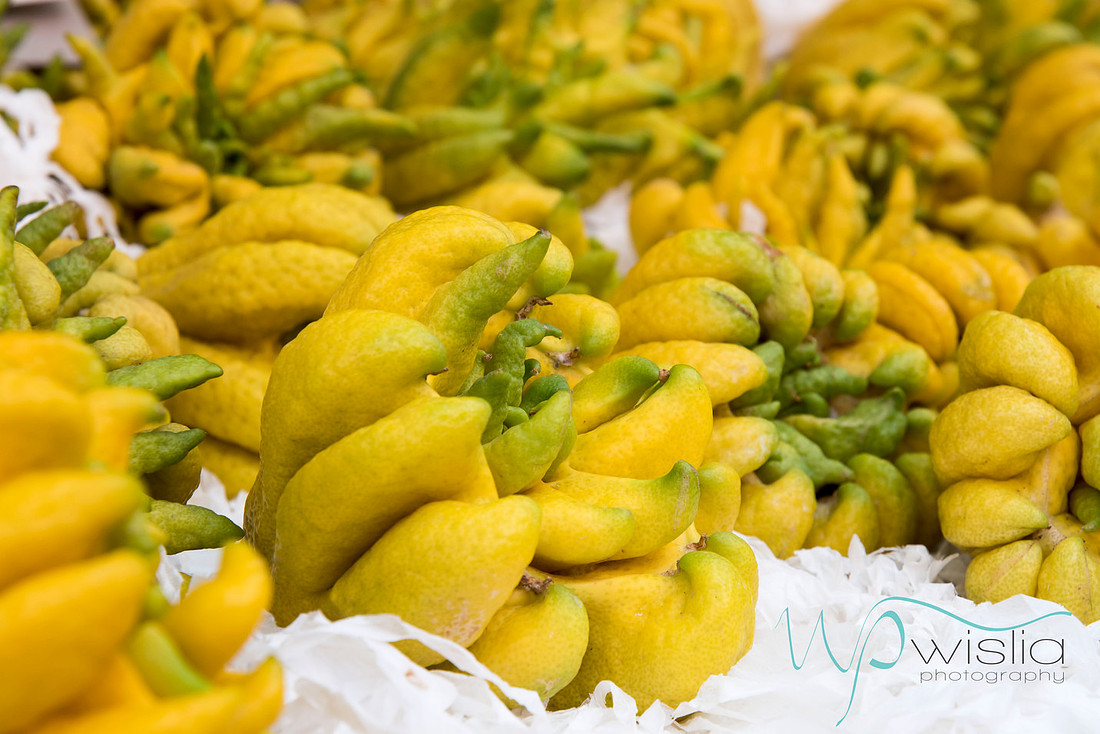
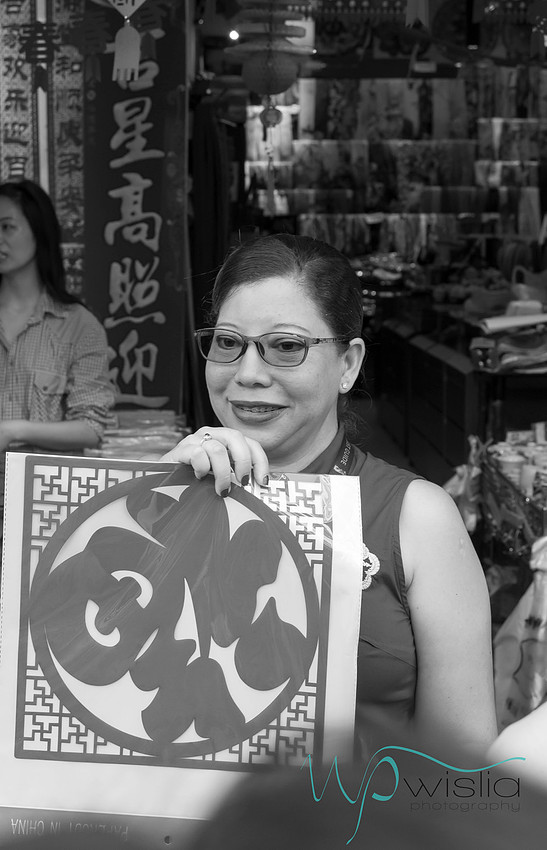
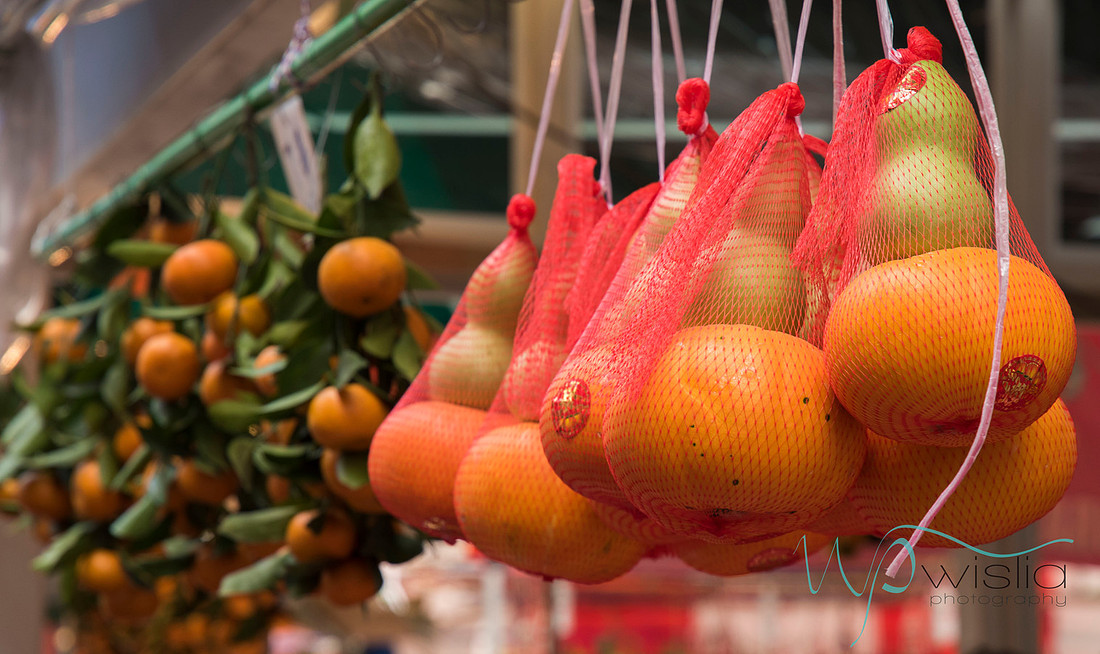
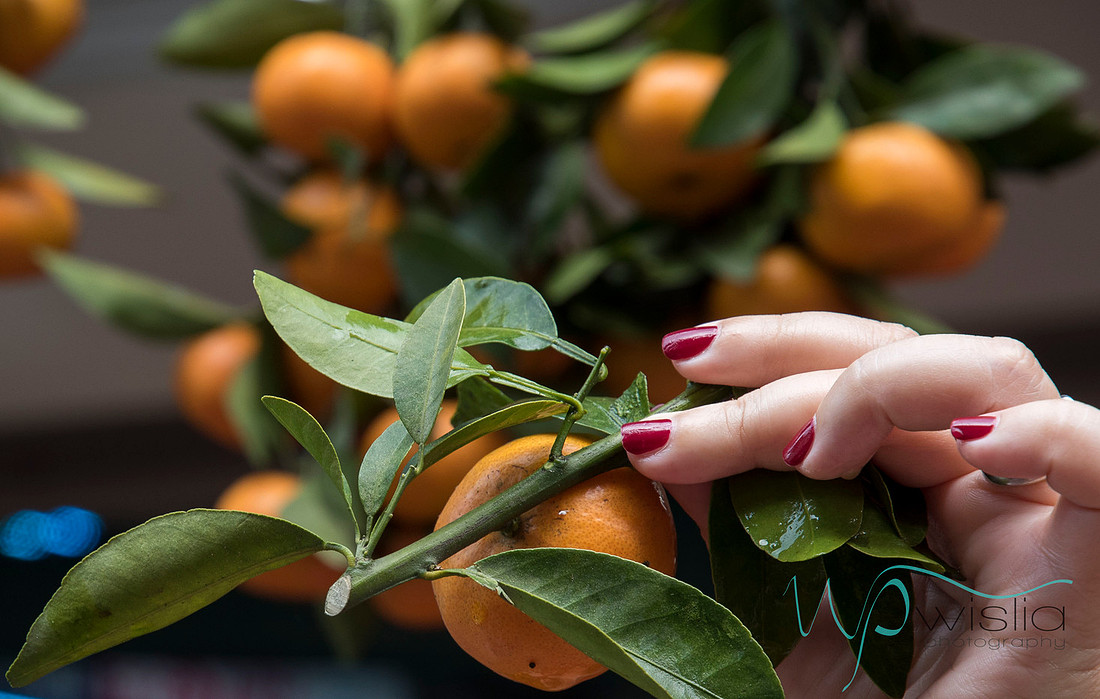
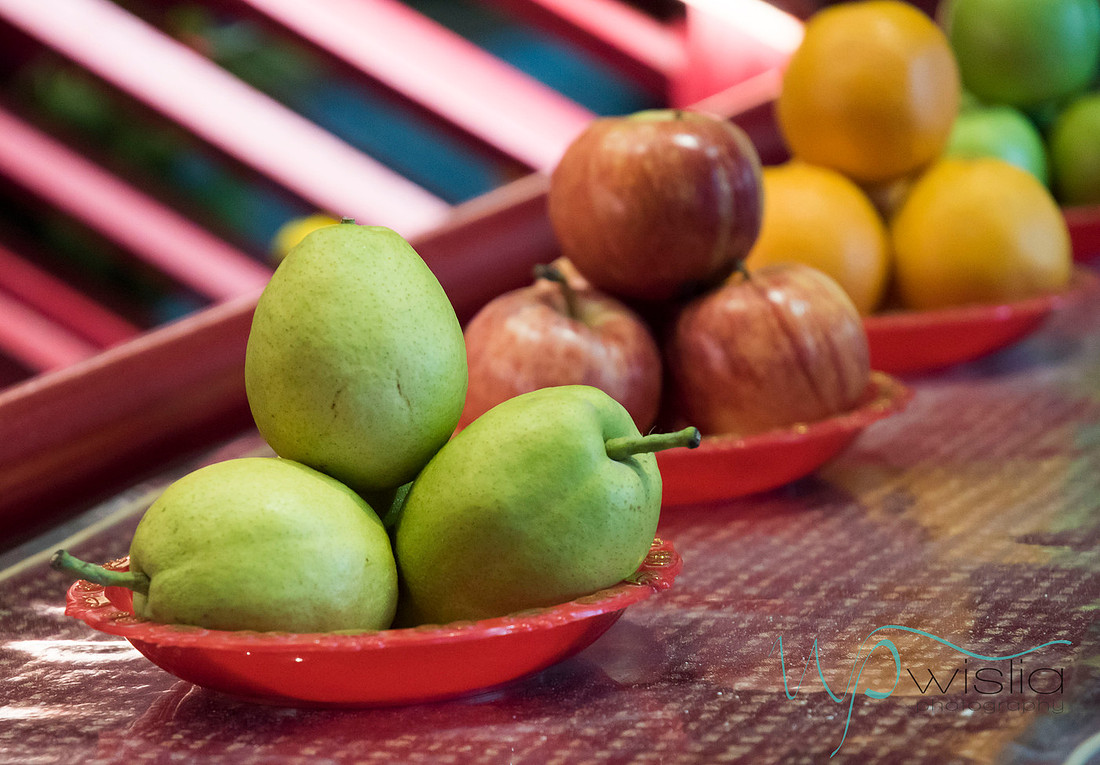
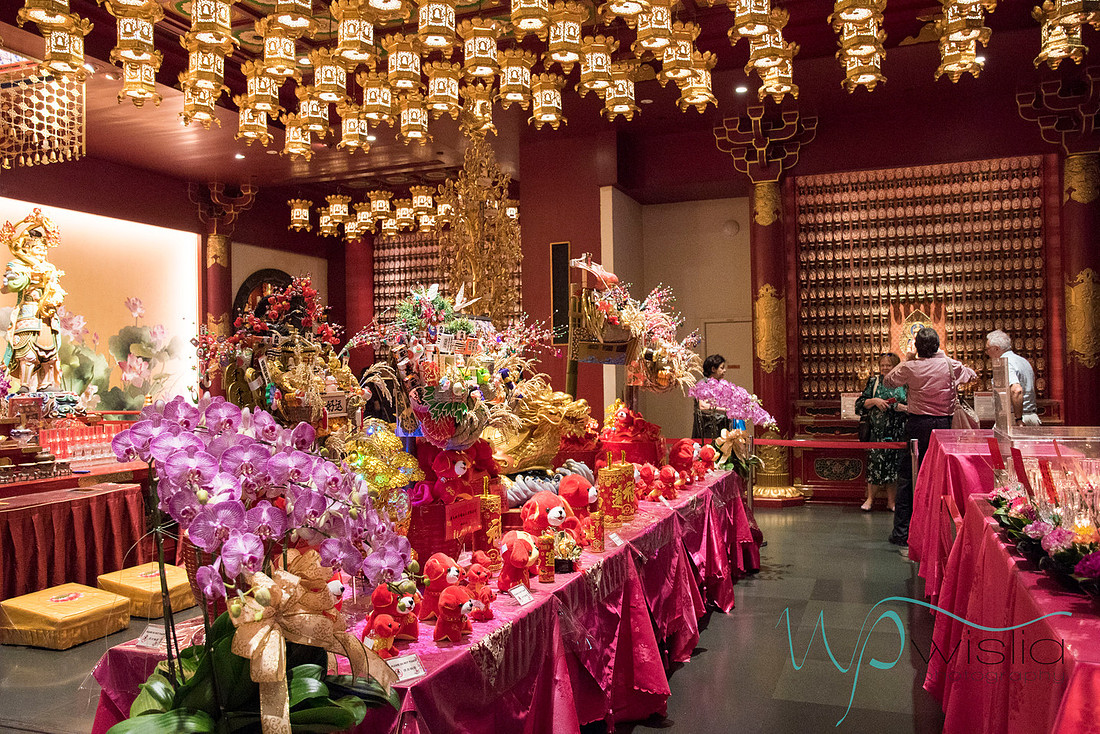
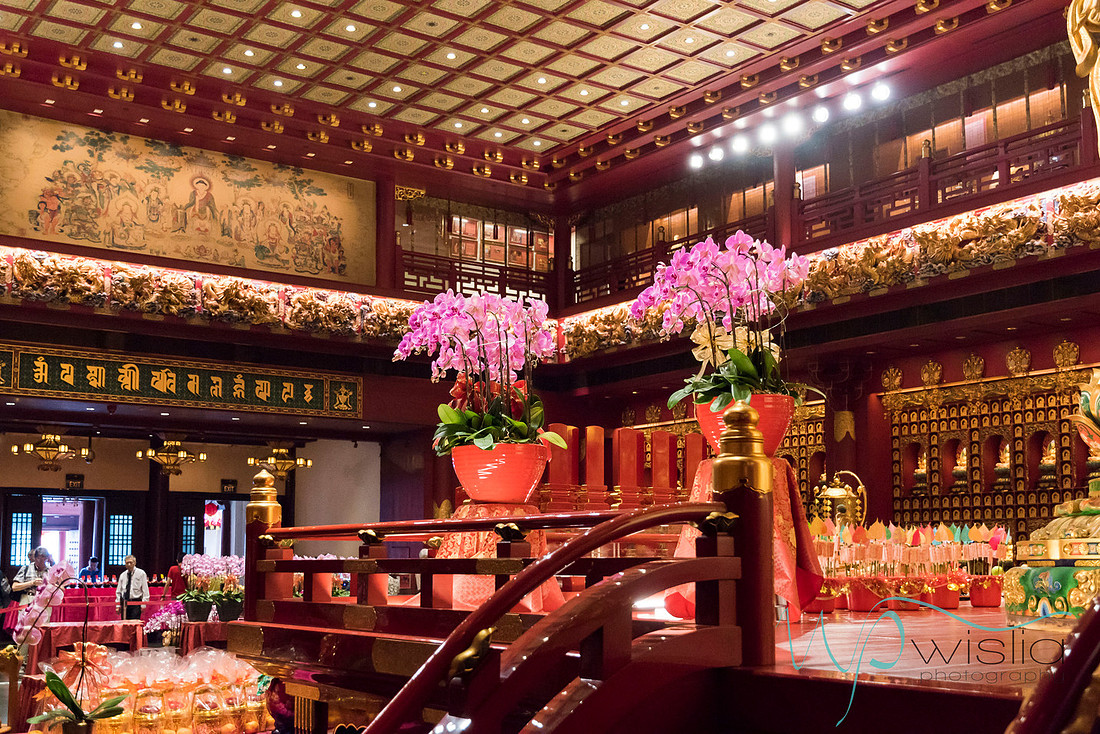
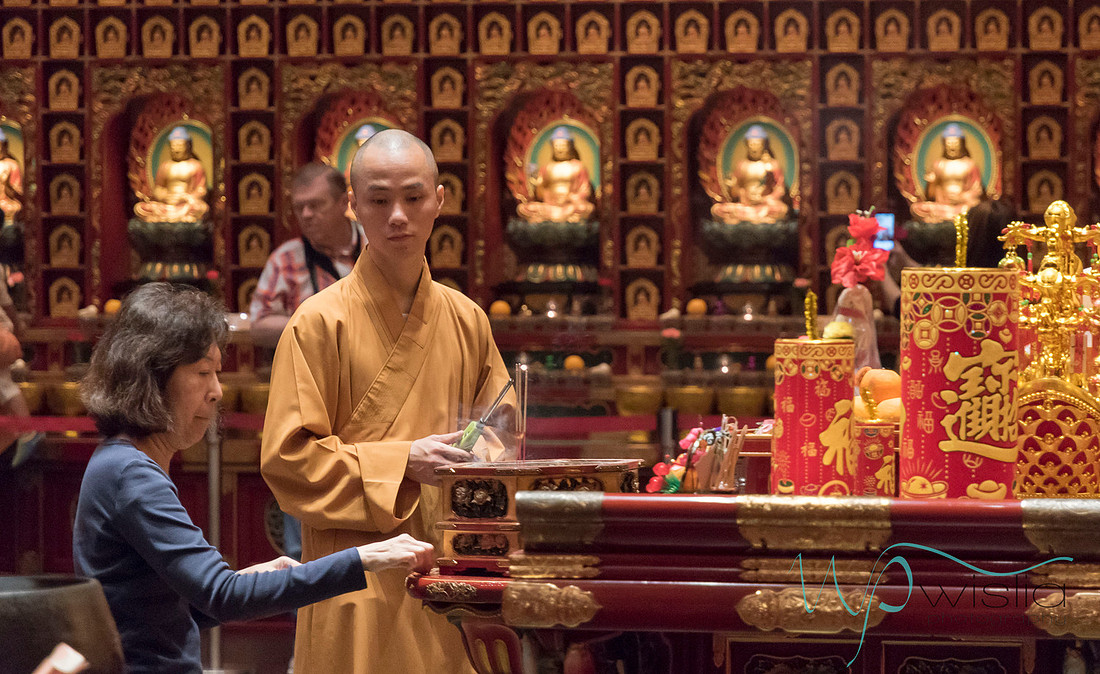
Symbols of Chinese New Year include plum blossoms, which stand for courage and hope, and the water narcissus, which is thought to be a “flower of good fortune.“ “Good Luck,“ written in Chinese characters on red, diamond-shaped paper, and “lucky oranges“ are also often seen around the house this time of year.
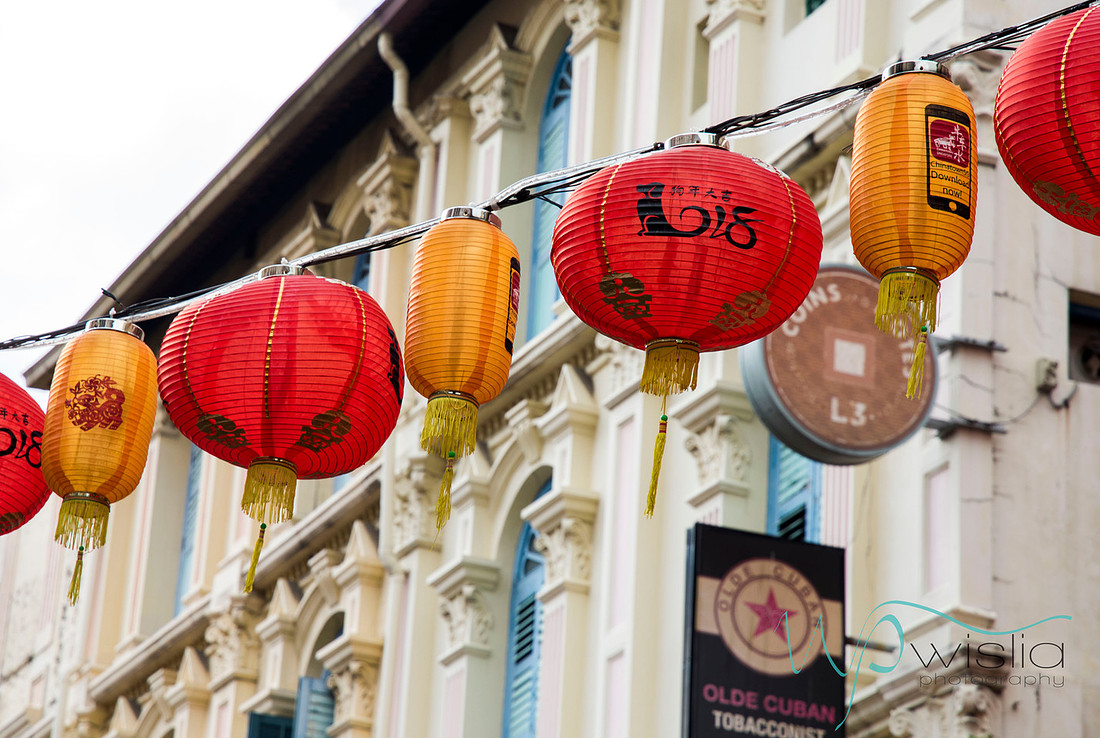
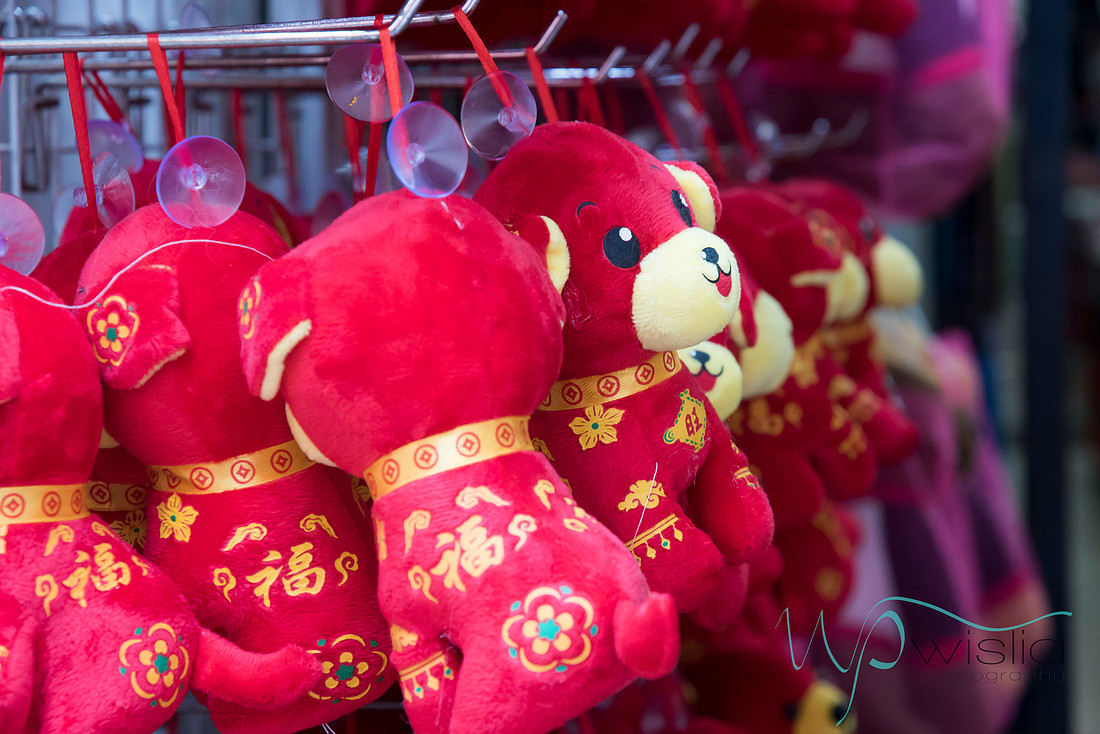
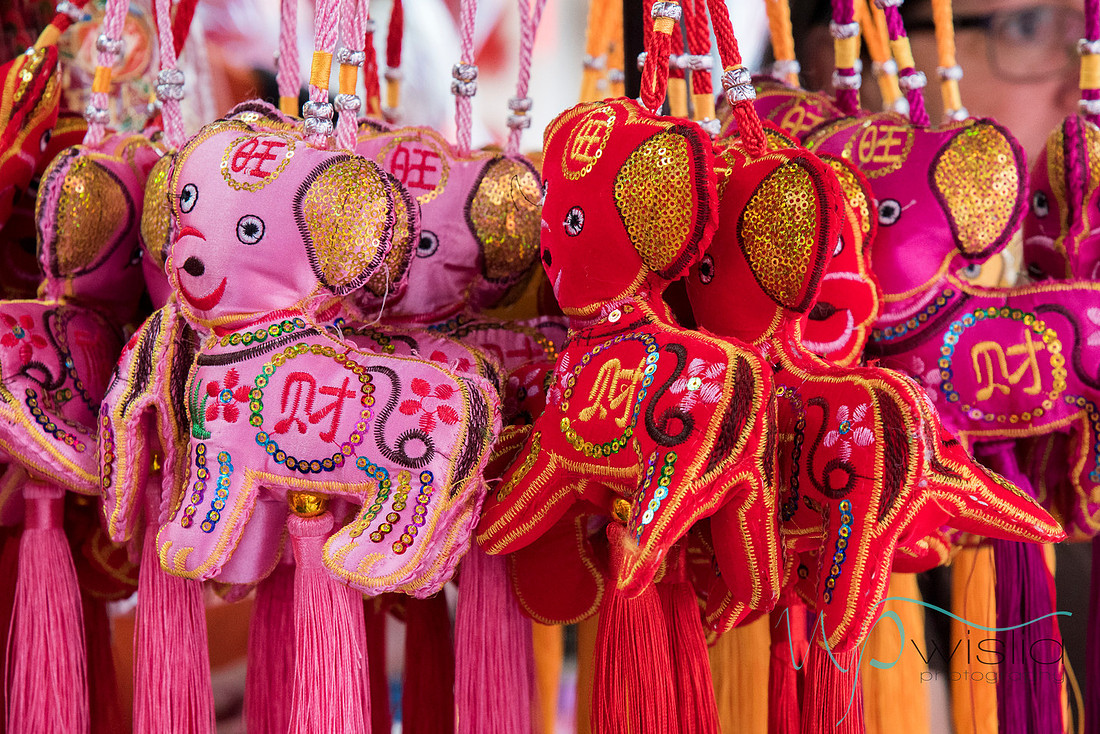
Clearly, the most notable symbols of Chinese New Year, however, are the 12 animals of the Chinese zodiac. Anyone born during the year of a particular animal is believed to be born with certain personality traits of that animal.
Another common tradition is to give gifts of money to children in small, red envelopes. The color red is thought to bring good luck and happiness for the year ahead, and a little cash doesn’t hurt either.
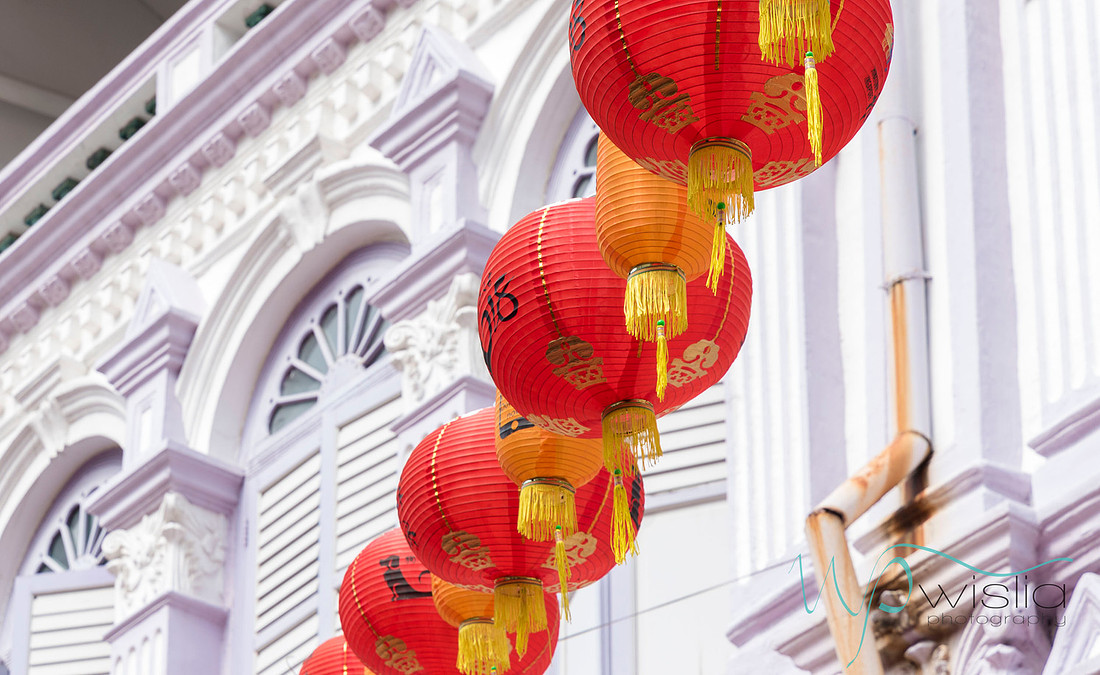
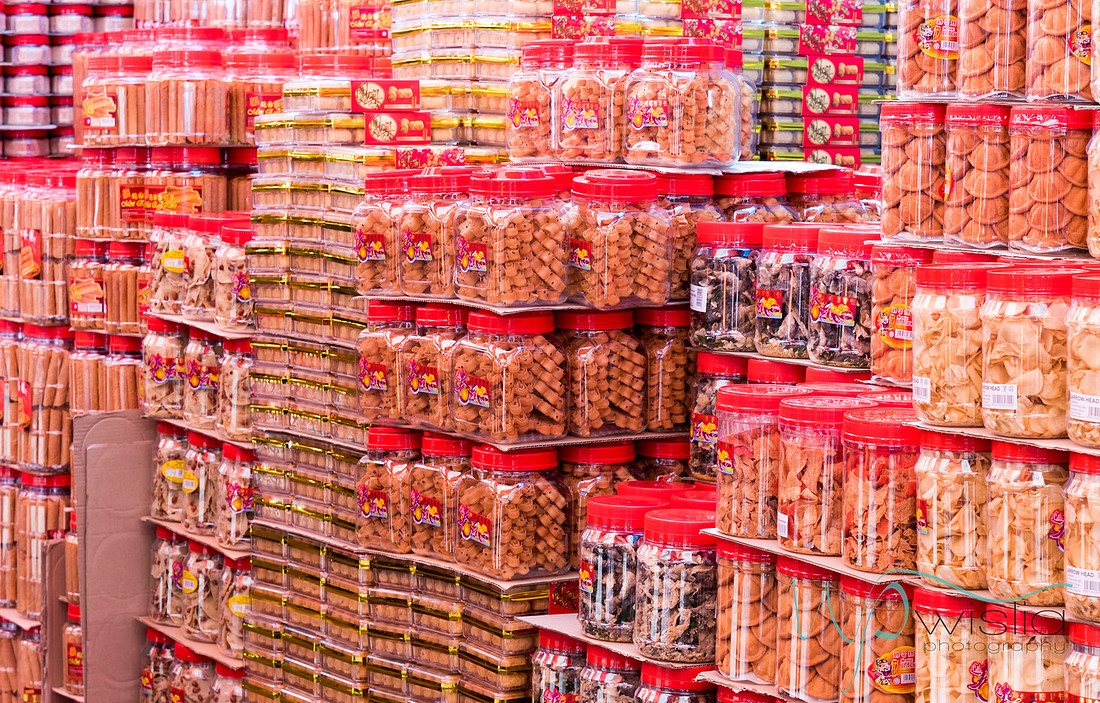
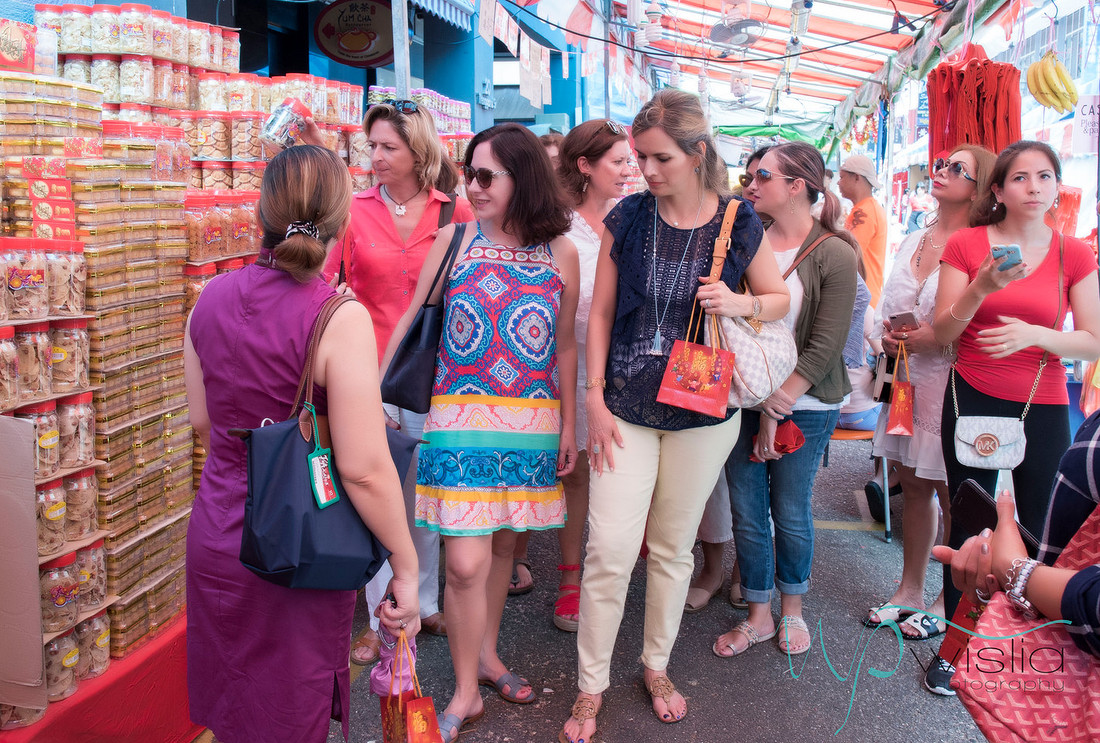
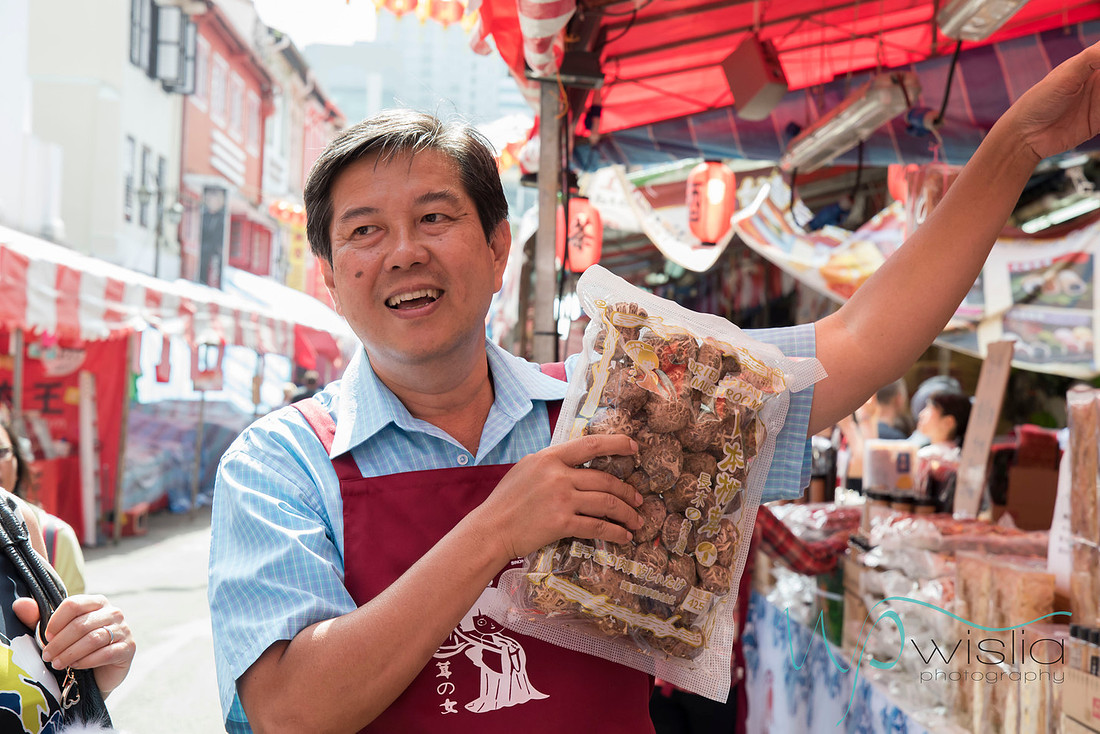
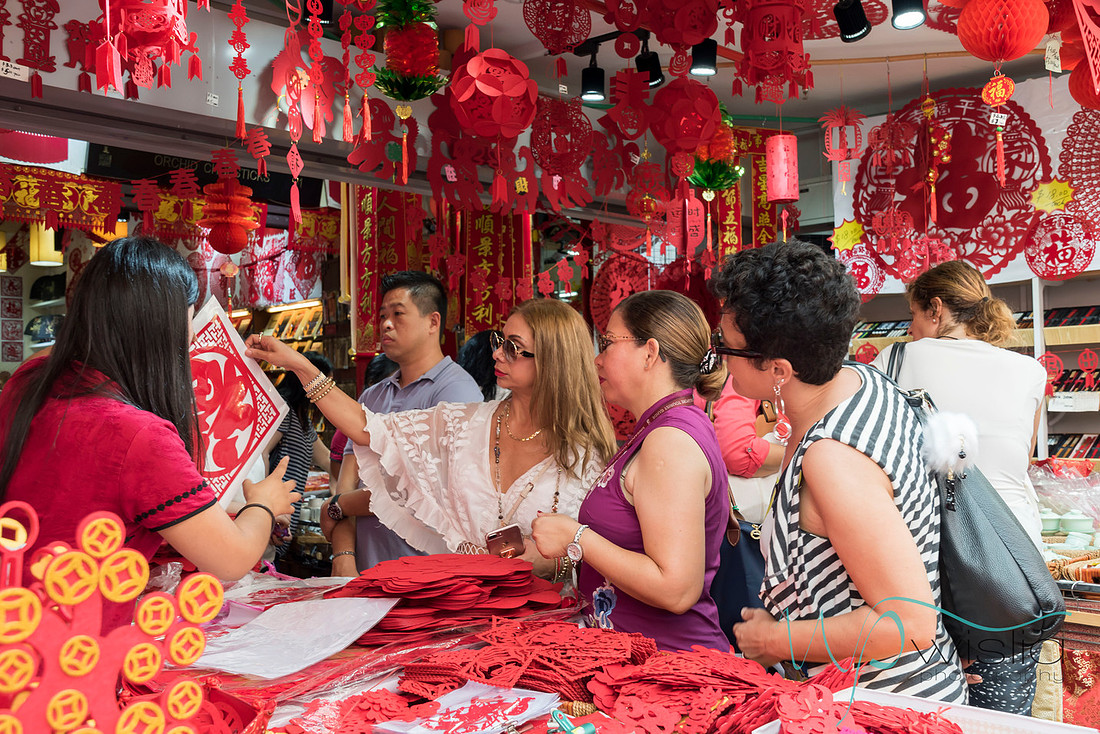
As Chinese New Year approaches, people are busy shopping for New Year’s gifts, as well as cleaning and decorating their homes. Sweeping the dirt out of one’s home is also thought to be a lucky activity, but all brooms must disappear on New Year’s Day, for it is feared that sweeping at that time will “sweep away the newly arrived good fortune.“
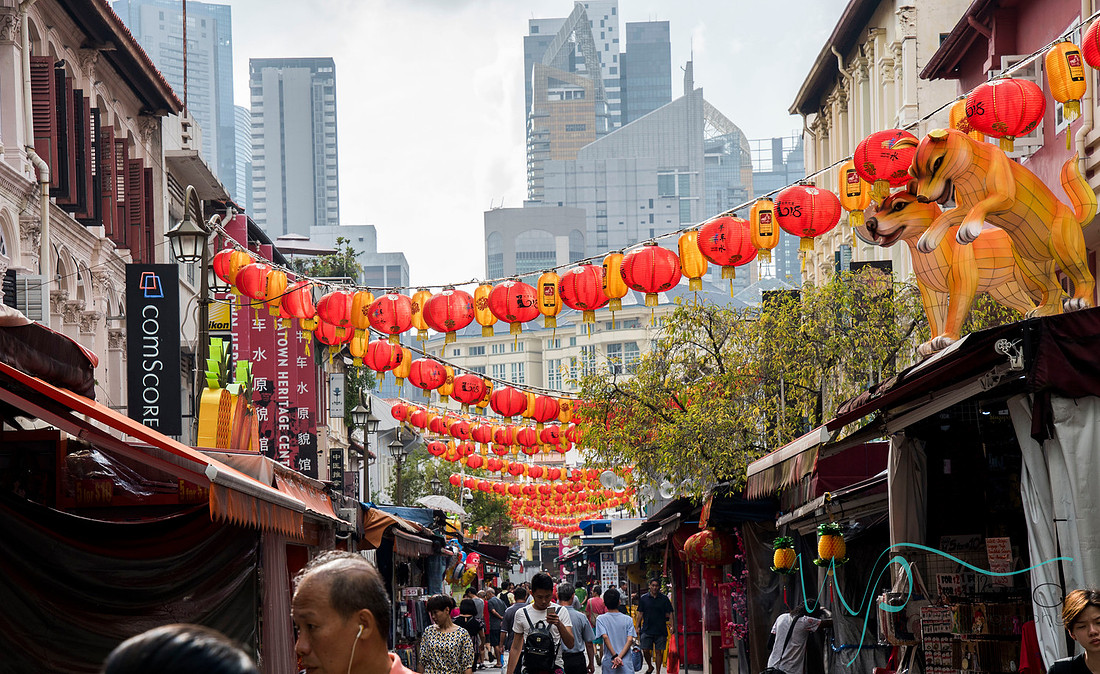
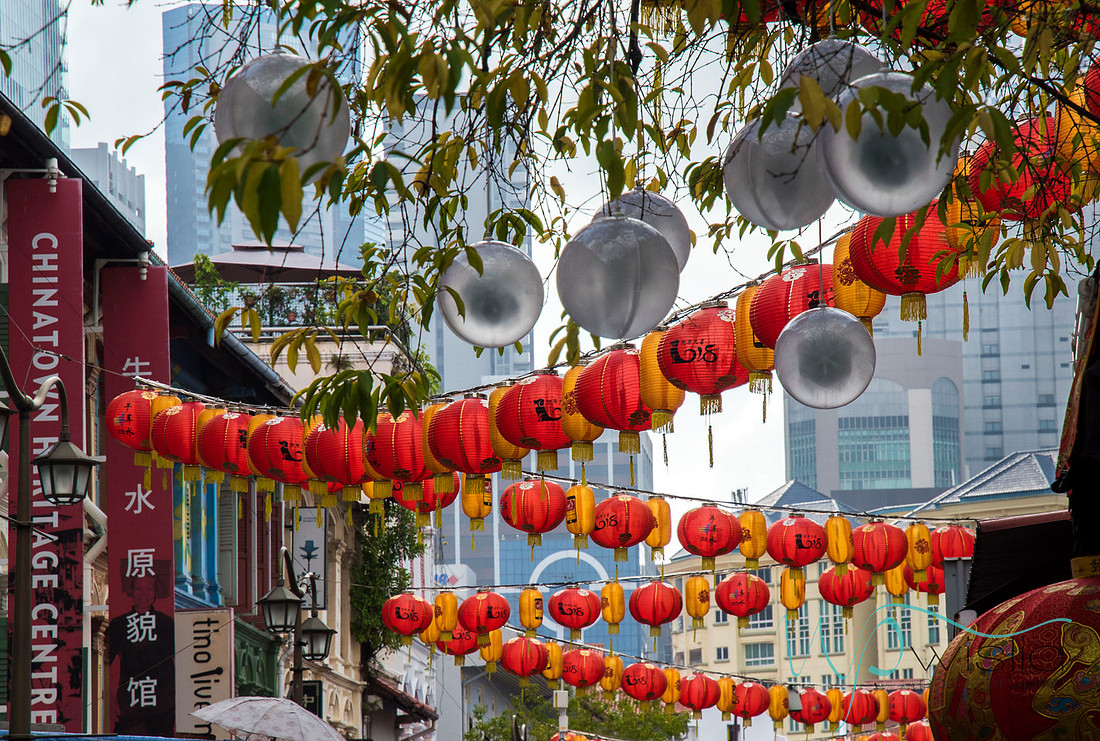
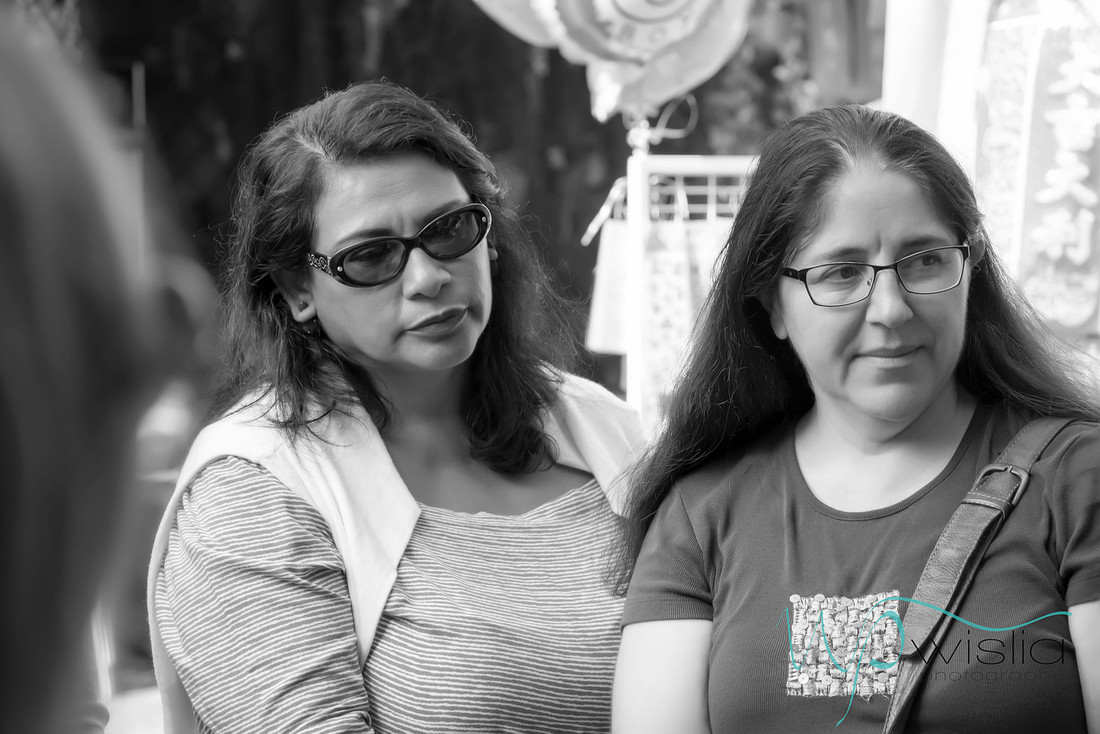
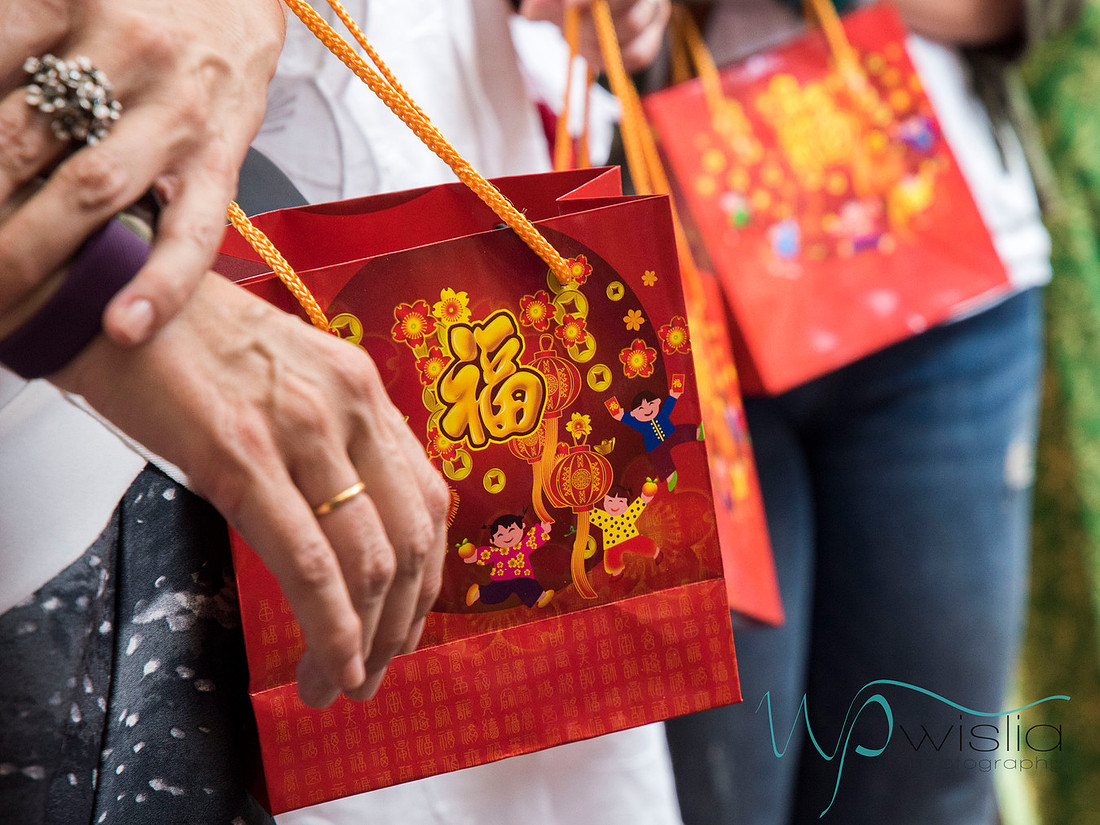
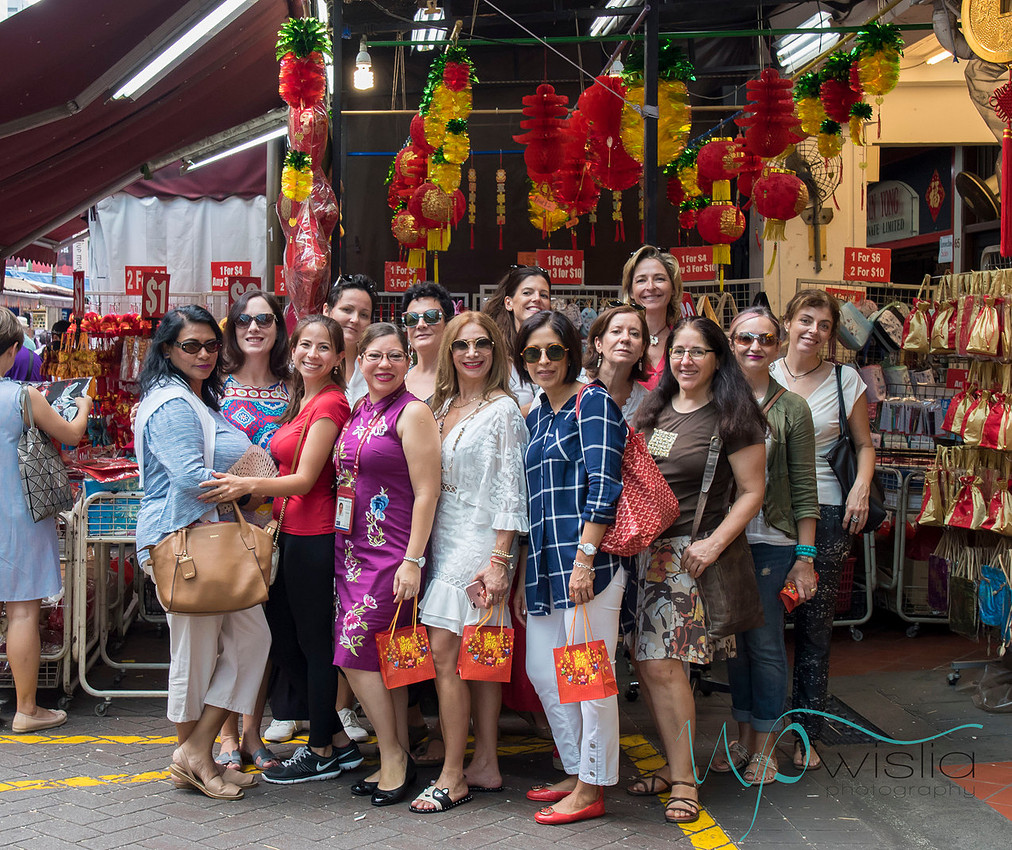
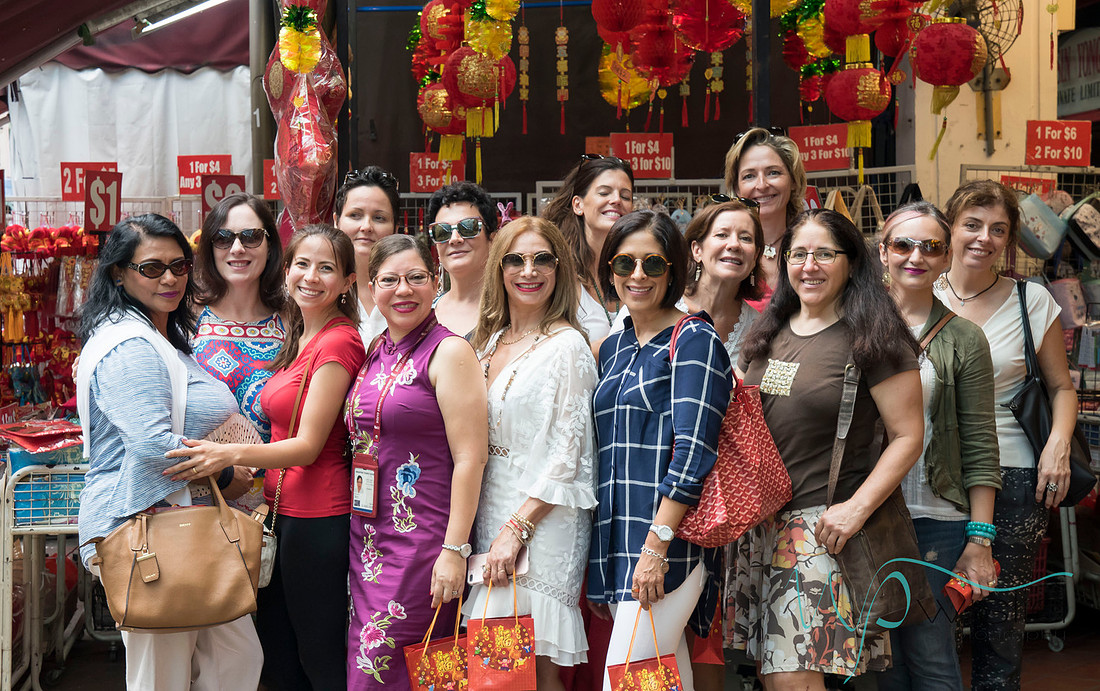
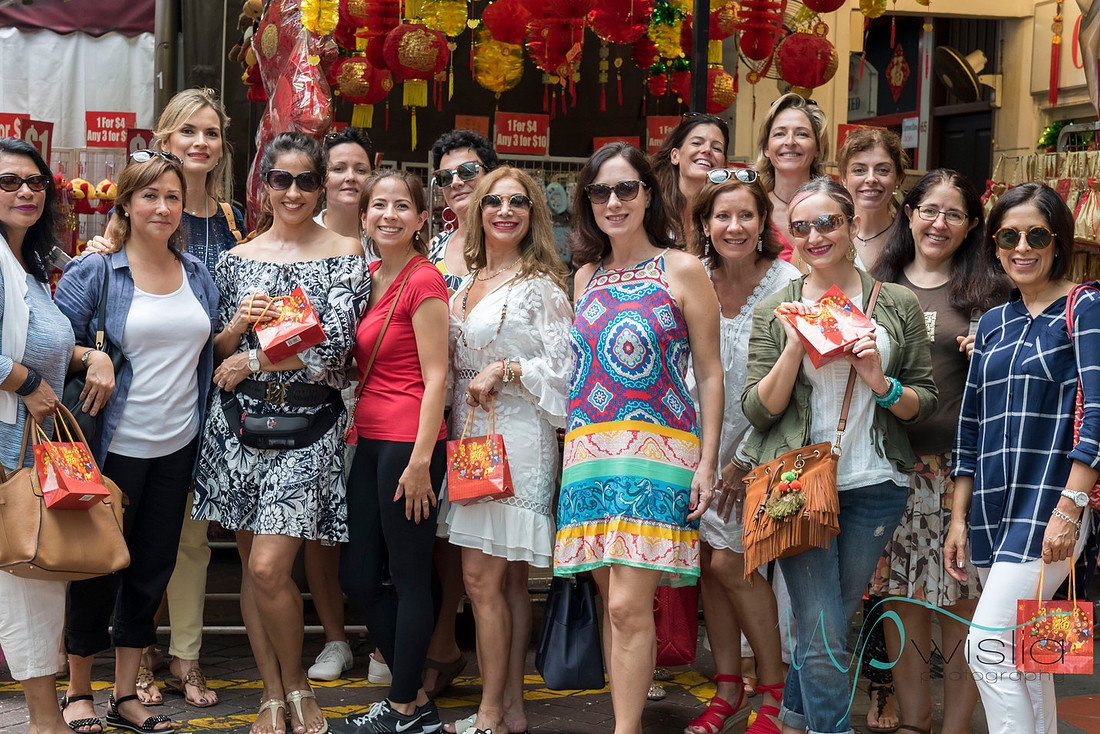
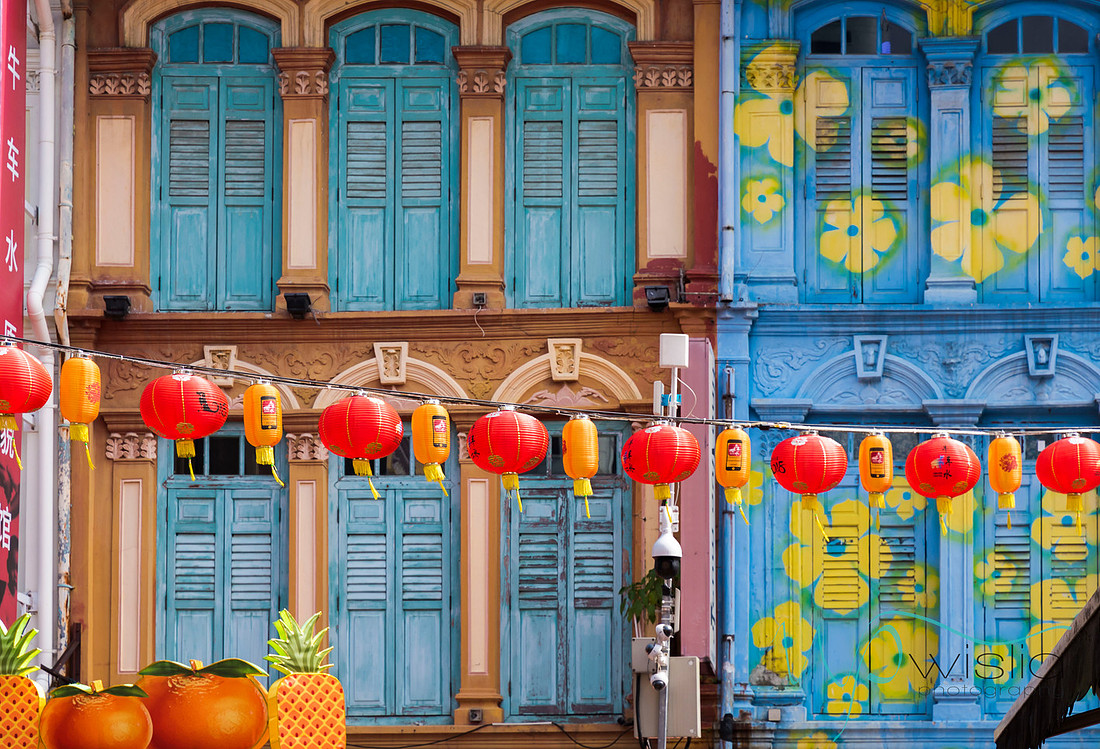
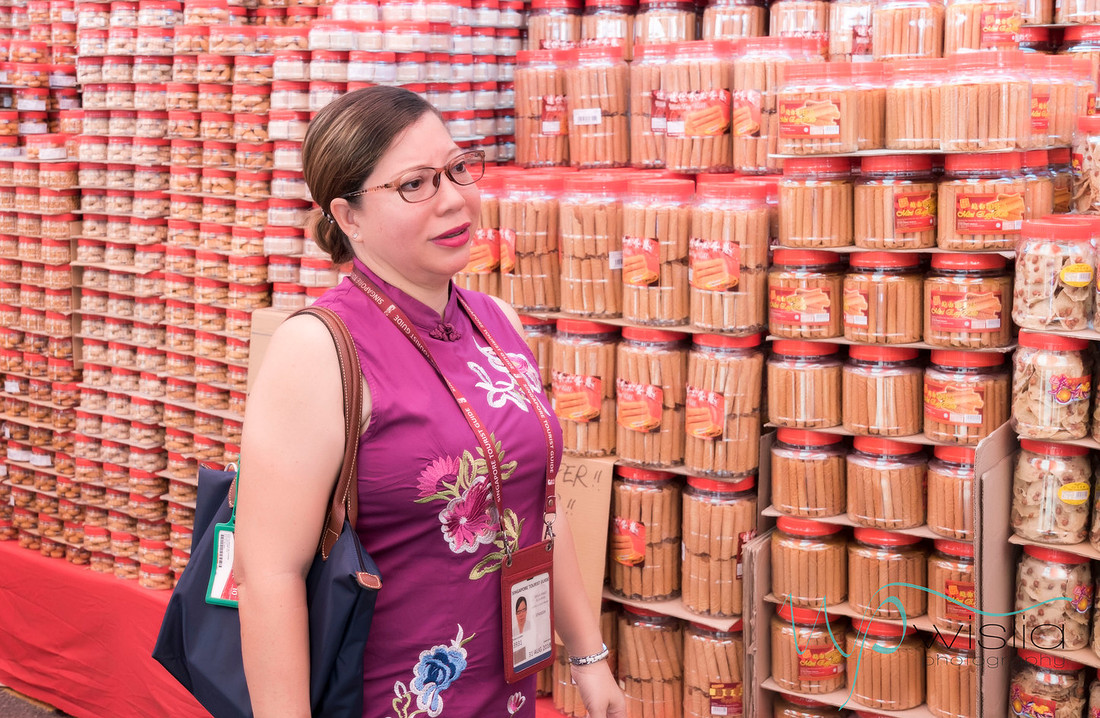
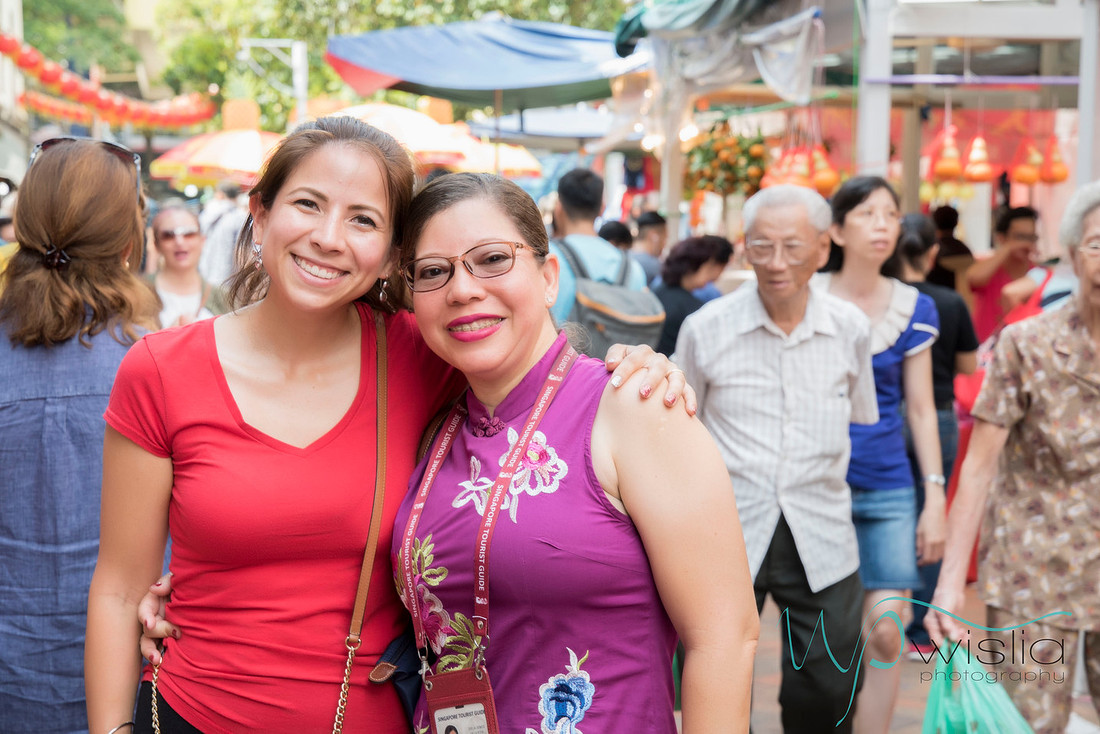
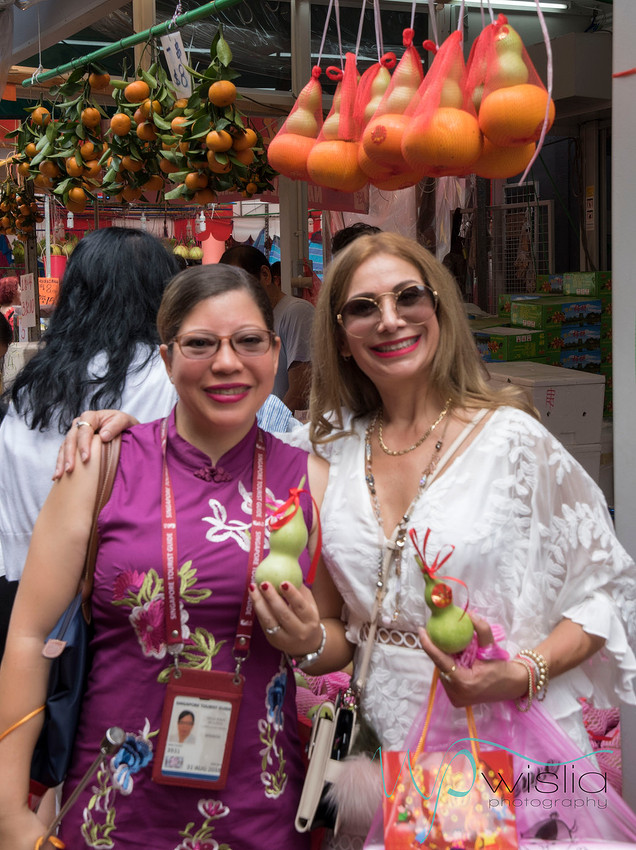
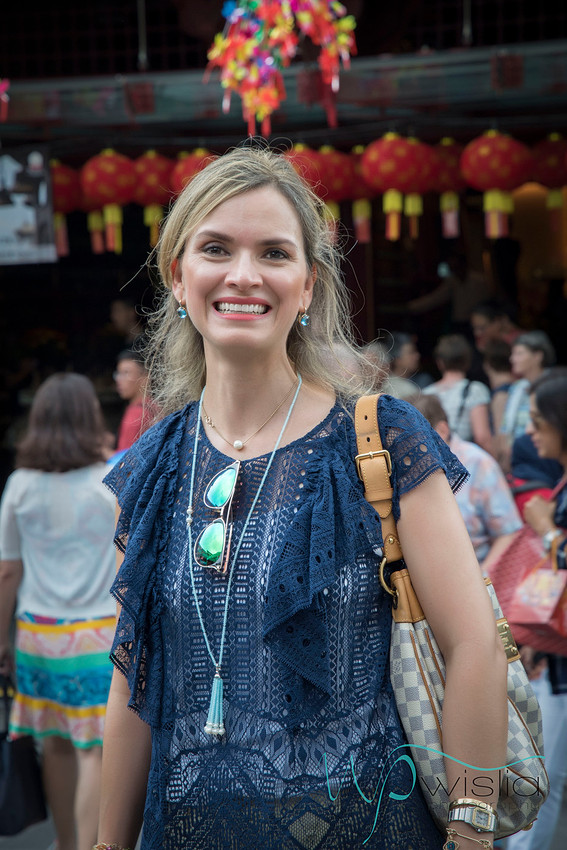
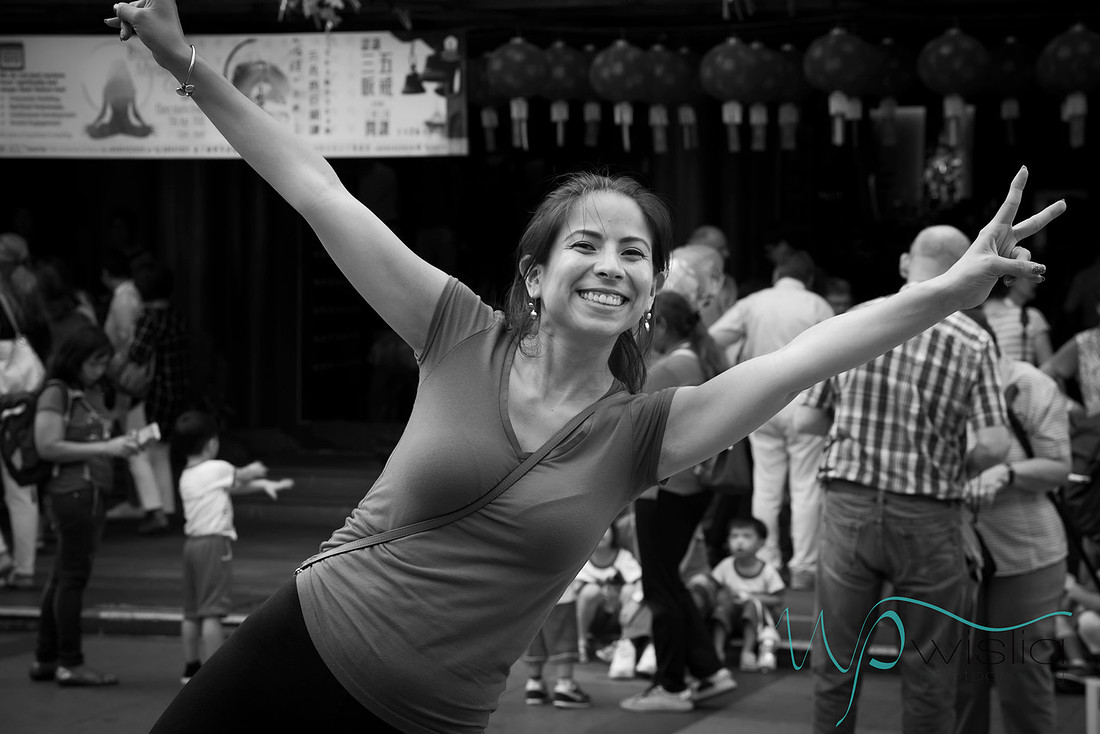
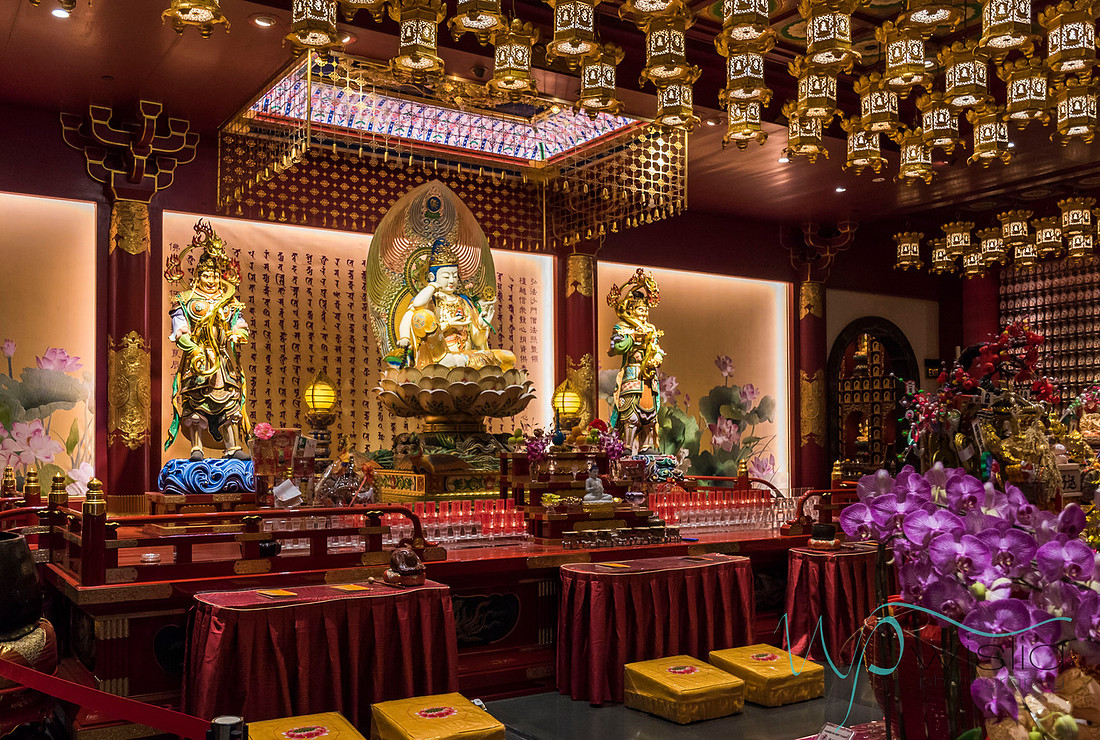
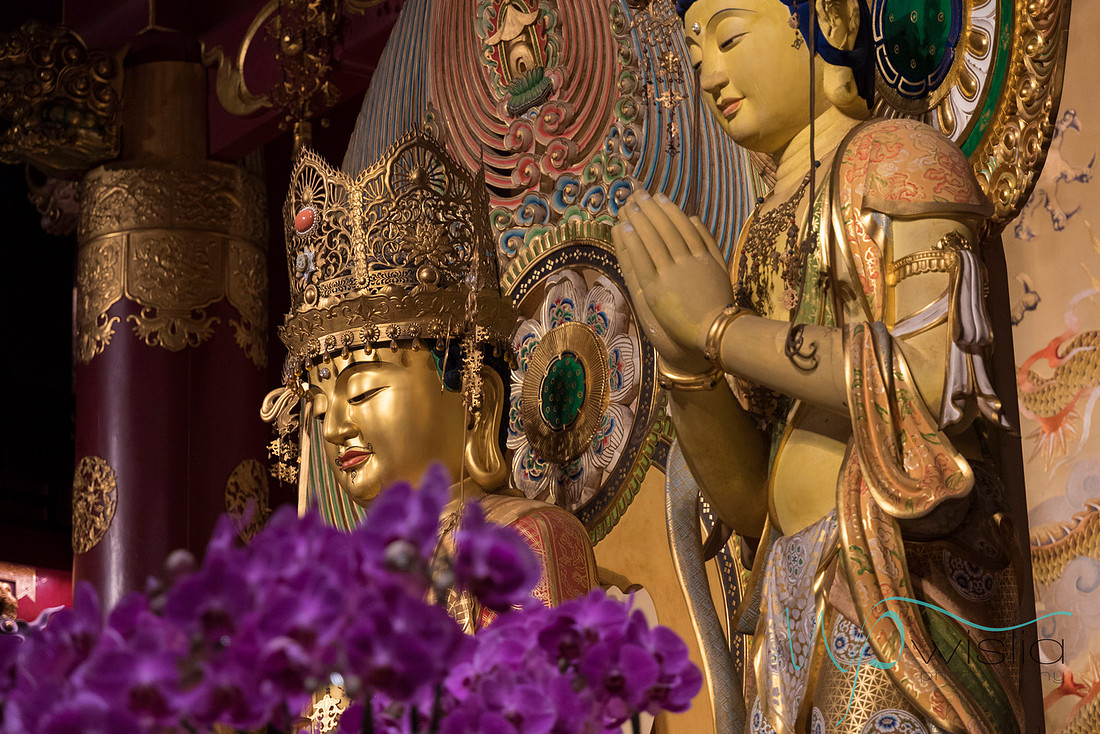
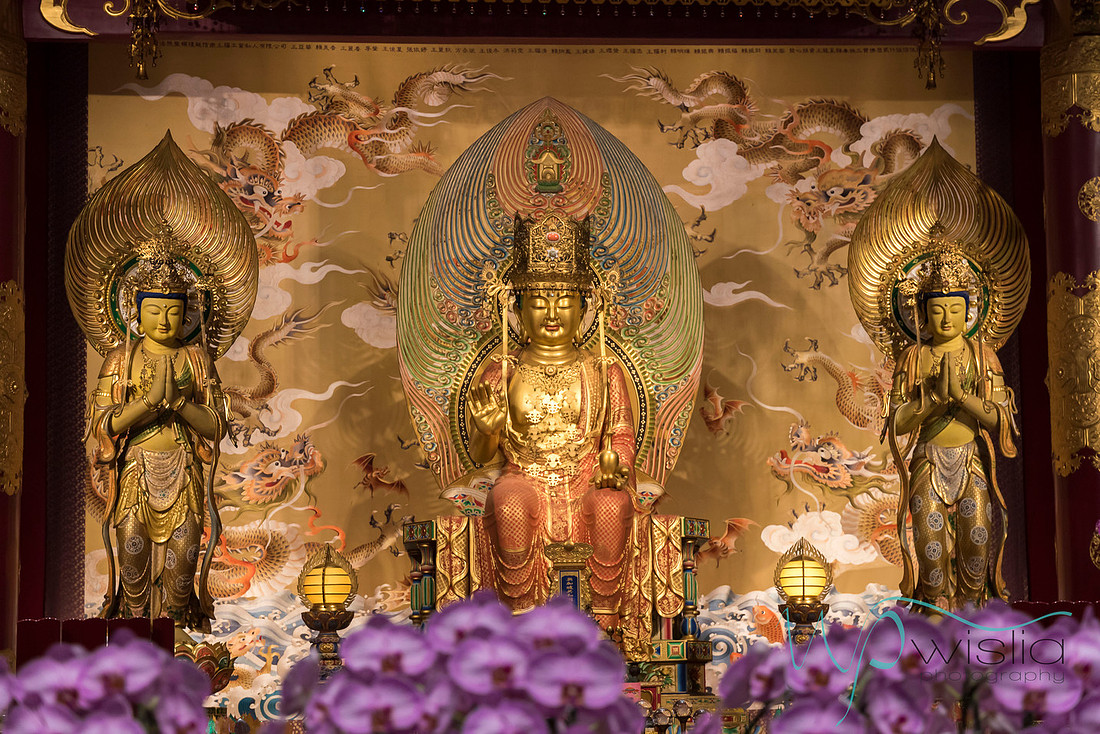
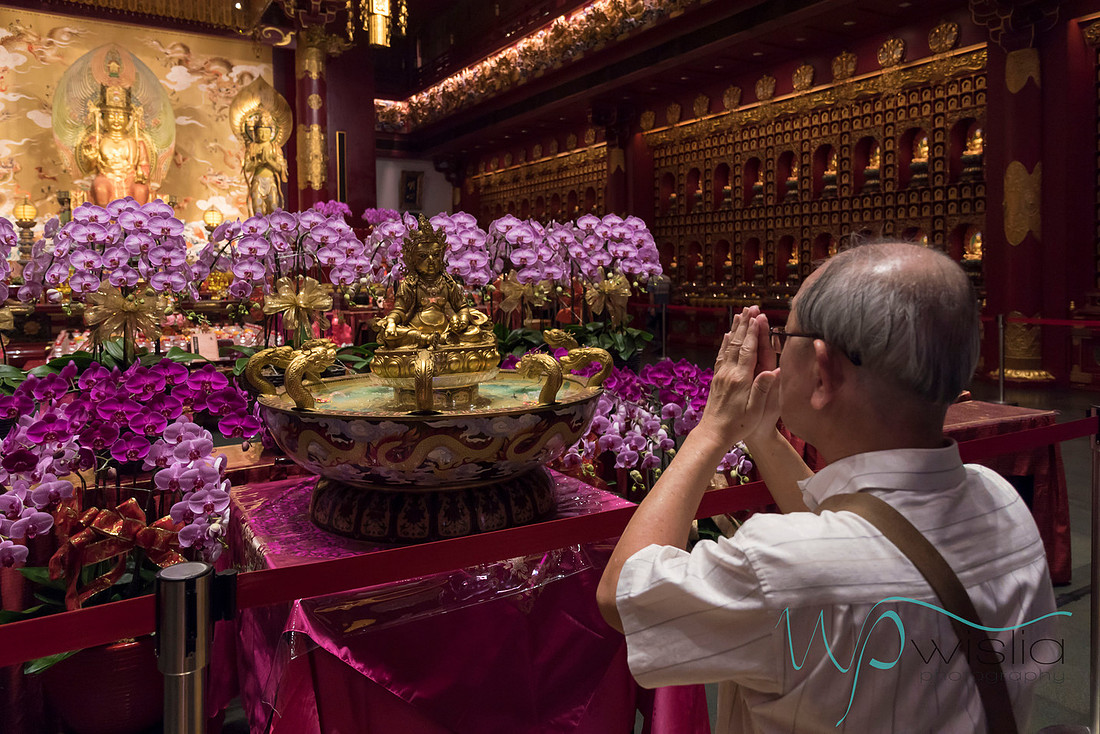
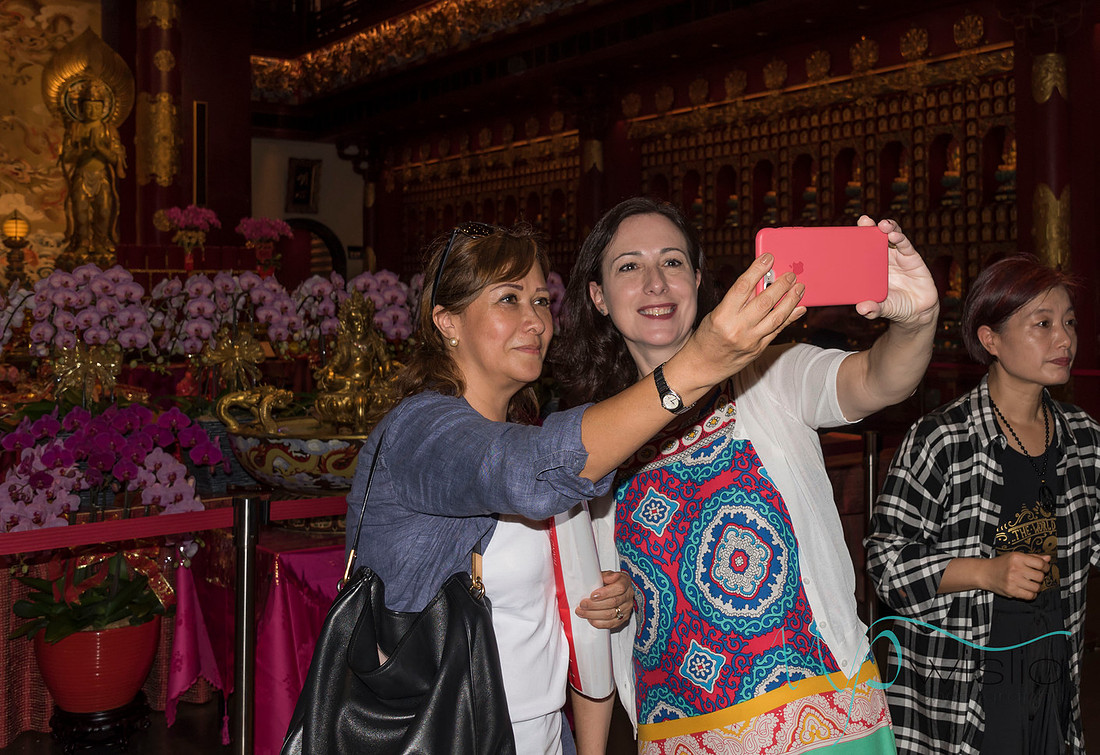
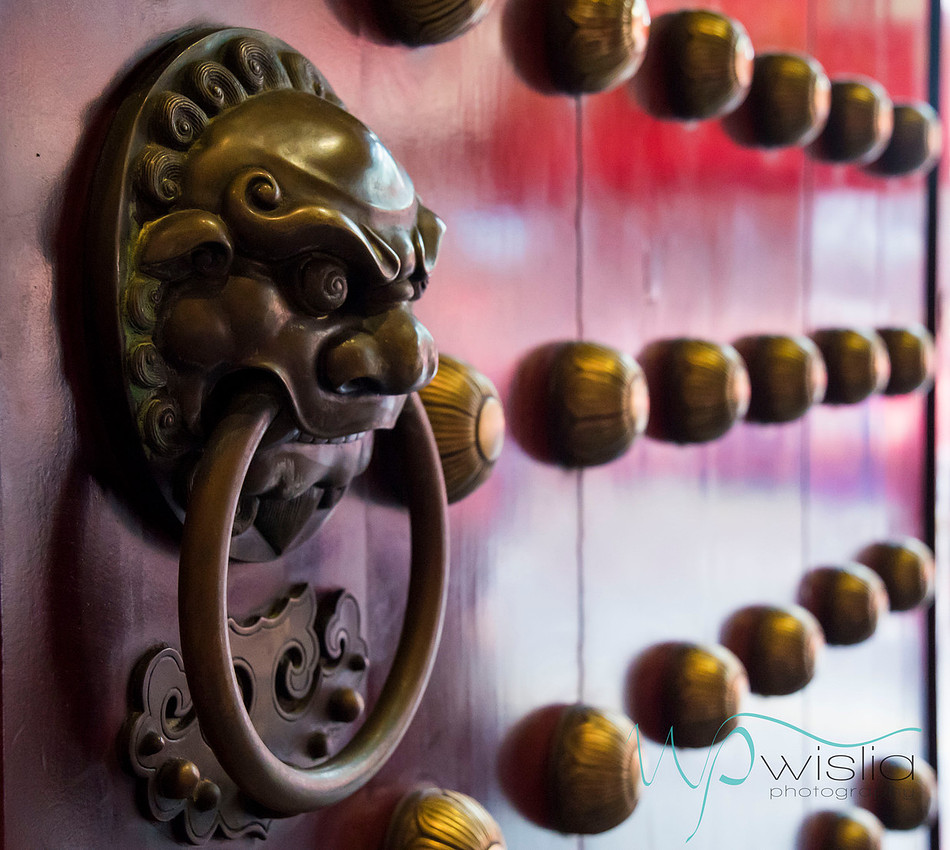
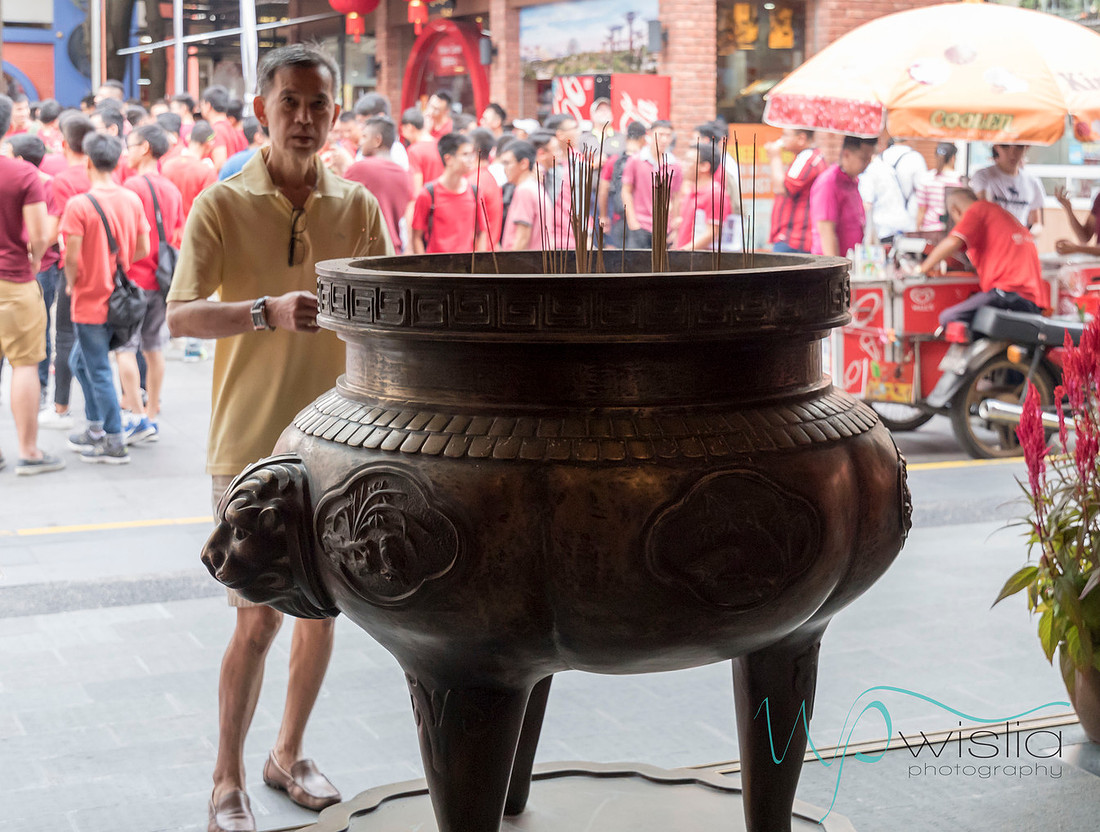
Today the ladies from the Spanish Speaking Women's Association visited Chinatown in Singapore. They were guided by the amazing tour guide Denise de La Rosa, who could tell them important information about this celebration.
Enjoy the photos!